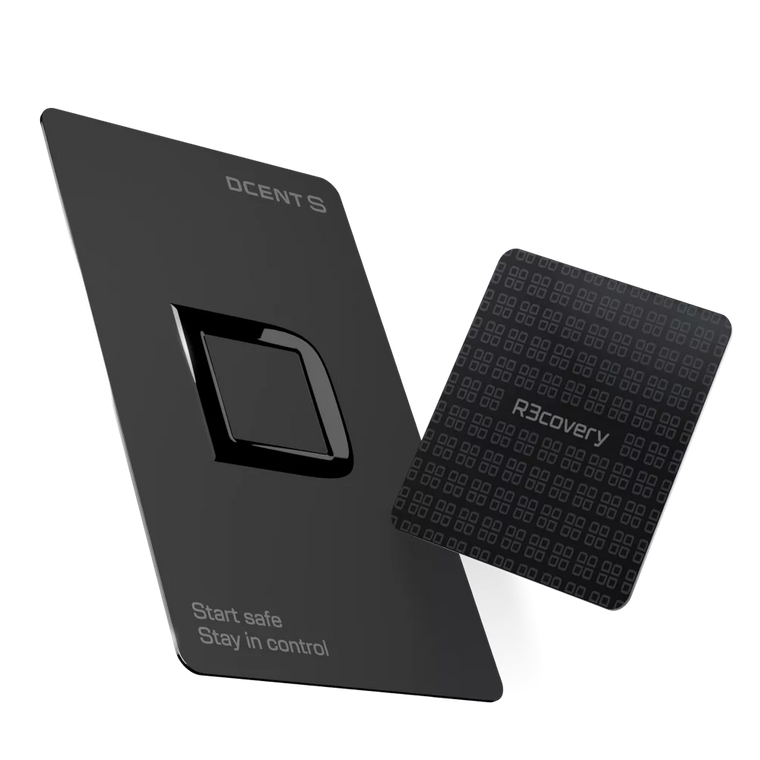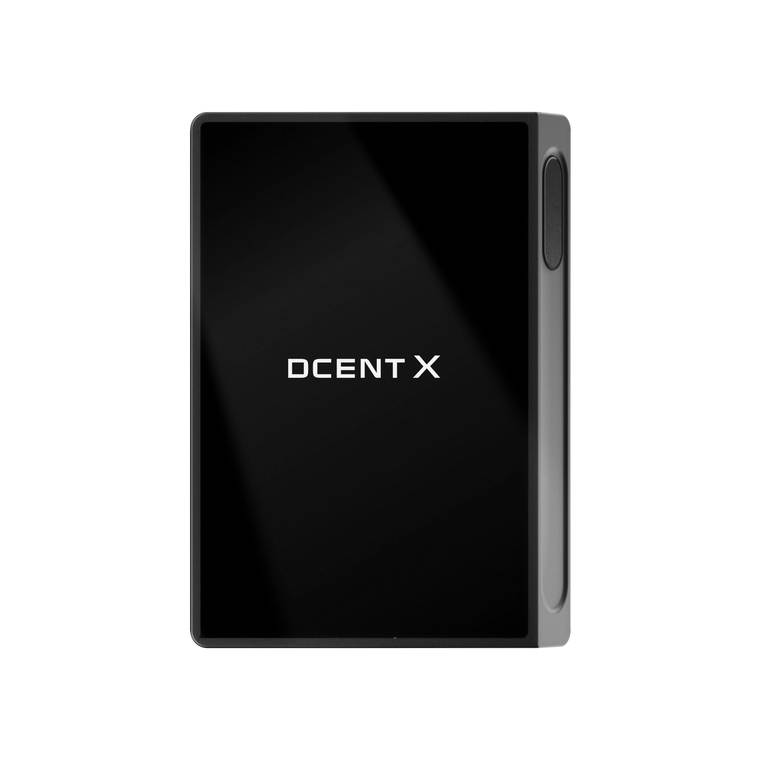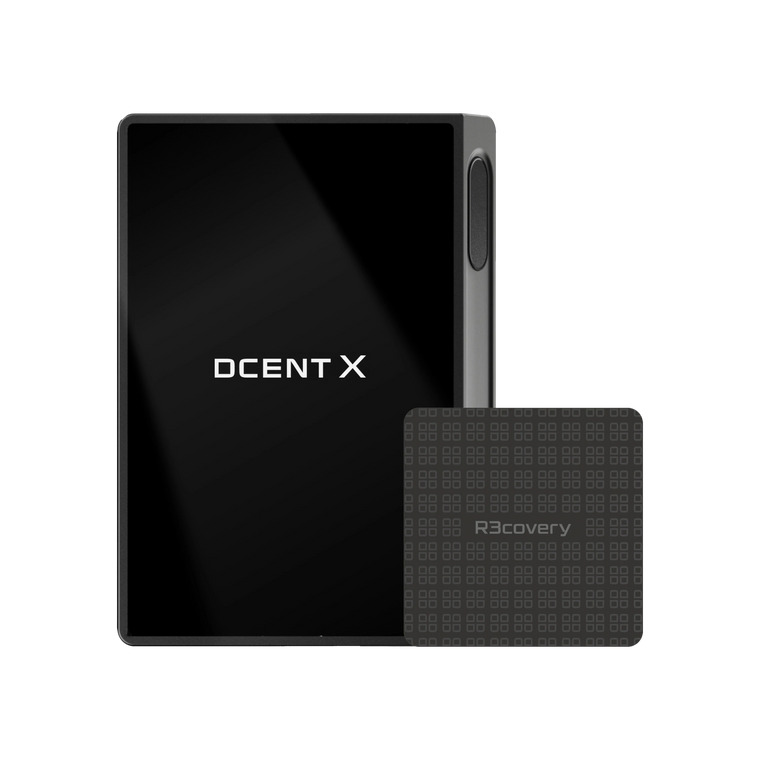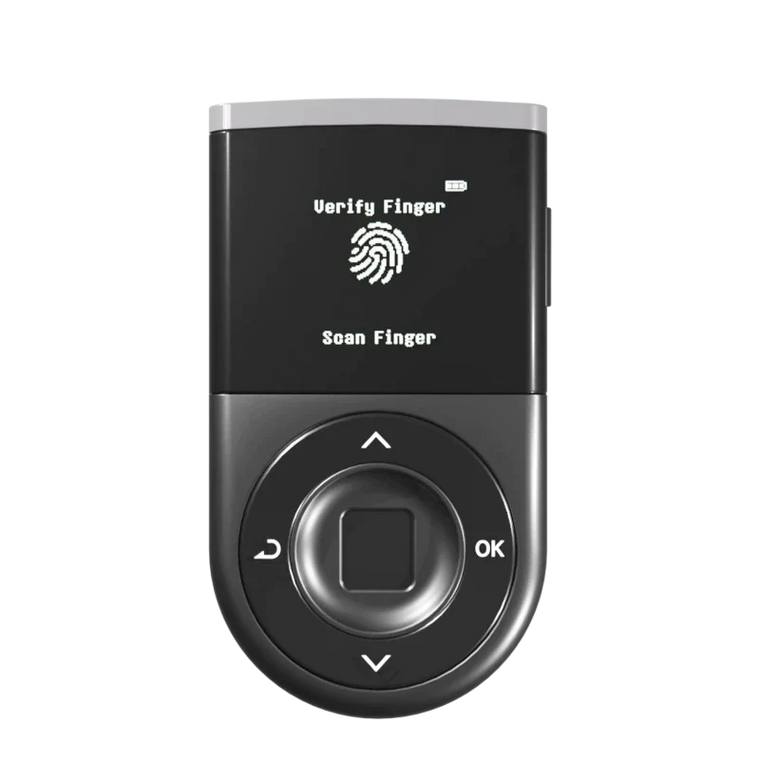







📚 XRPFi Beginner Series · Part 4 — The Best XRP Wallet 2026 → Part 5 — XRPFi Vaults Compared (you're here)
You understand XRP and Trust Lines (Part 3) and you've picked your wallet (Part 4). Now the question every XRP holder eventually asks: "my XRP is just sitting in my wallet — is there a way to actually put it to use?" XRPFi is one of those ways. And as of 2026, three of the leading ones — Flare, Doppler and Soil — are built right into the D'CENT app, each with a different rate, a different way of operating, and a different lock-up period. This post puts them side by side so you can see how each one works and which fits you.
The 30-second version: Soil pays the most but locks your XRP for a set period. Flare is actively managed (and runs on a bridge to the Flare network, not directly on the XRPL). Doppler spreads across diversified institutional strategies. All three are available directly in D'CENT, with no separate app to install. Full breakdown below.
This article is for information only. It is not a recommendation or investment advice.
Explore XRPFi vaults in D'CENT →
1. The Three Vaults at a Glance
Here's the whole comparison in one table. Each vault operates differently, with its own rate and terms — here's how they line up.
| Vault | Asset (in D'CENT) | Rate* | Lock / withdrawal | How it operates |
| Soil | XRP · RLUSD | XRP ~5% · RLUSD ~8% | 40-day lock-up (XRP) | Real-world assets (treasuries, credit) |
| Flare (Monarq MXRPY) | XRP (bridged to Flare) | ~3–4% | Periodic (a few days) | Active trading strategies |
| Doppler | XRP · RLUSD | ~2.5% | Periodic (a few days) | Diversified institutional (CeDeFi · DeFi · RWA) |
*Rates as of publication, for comparison only and not investment advice. Yields are variable and change with market conditions. Always check the live rate and withdrawal terms in the app before depositing.
None of these is "the best" — they simply operate differently and serve different goals. Below, here's how each one works and who it's for.
2. Which Vault Is for You?
The first regulated real-world-asset yield protocol on the XRPL. Here's how it works: deposits are put into off-chain instruments — U.S. treasuries, private credit, institutional loans — and the interest from those flows back to you. It's operated by ORQO Group, which holds licenses in Poland and Malta. Because the return comes from real-world assets rather than trading, the rate is relatively high and steady. The trade-off is liquidity: XRP deposits sit in a fixed 40-day window, and that lock-up is exactly what keeps the yield steady instead of bouncing around daily.
Best for: holders who won't need their XRP for a while and prefer a steadier approach. Maybe skip if: you want to move your funds at a moment's notice.
An XRP yield vault that runs on the Flare network. Built with Monarq Asset Management and Upshift as the Monarq MXRPY vault, it's actively managed by an asset manager, mixing several approaches at once — options strategies, basis and funding-rate arbitrage, and on-chain strategies. Because it's actively traded, the rate isn't fixed; it's a target that moves with the market.
One important thing to know: this is not a direct deposit on the XRPL. Your XRP is bridged to the Flare network (as FXRP) to be deployed, so depositing involves a step that moves your assets over to Flare. The D'CENT app walks you through it. Withdrawals aren't instant either — they're processed on the vault's cycle and can take a few days.
Best for: holders interested in an actively managed, market-driven approach. Note: this was the first vault to run an XRP Alliance × D'CENT campaign.
An institutional-grade yield protocol built natively on the XRP Ledger. Its operating principle is diversification: deposits are spread across CeDeFi, DeFi and real-world-asset strategies, with custody handled by names like Fireblocks, BitGo and Copper. Rather than concentrating in one strategy, it spreads across several to keep volatility lower. In D'CENT, you can deposit XRP and RLUSD. Withdrawals are processed per the operator's policy, so check the timing in the app.
Best for: holders who prefer diversified institutional management over concentrating in one place.
💡 Rates change often. You can check each vault's current rate and withdrawal terms on the vault screens you reach through D'CENT. Compare the latest numbers, then sign on your own device.
3. Wait — Where Does XRP "Yield" Even Come From?
Fair question, because XRP doesn't have native staking. Unlike proof-of-stake coins, you don't earn just by holding. In XRPFi, yield comes from how your XRP is used as capital — lending it out, running market-neutral trading strategies, or backing it with real-world assets like tokenized treasuries. A vault is just a managed pool that runs one of those strategies for you, so you don't have to operate anything yourself.
That also explains the table above: a vault backed by treasuries (Soil) behaves very differently from one running active trades (Flare). Different engine, different rate, different lock-up. And critically — depositing never means handing over your keys. You approve every move by signing on your own D'CENT hardware.
4. How to Start — It's All in One Tab
Getting started is simple: open the D'CENT app, go to the Discovery channel, and tap the XRPFi tab. The three vaults are gathered here, and each one links straight through. On the connected screen you can check its current rate and terms and deposit, signing right on your D'CENT hardware.

📲 Find it under Discovery → XRPFi. Open the D'CENT app, tap Discovery, then the XRPFi tab — every vault, live rate and deposit option on one screen.
For what's available right now and the current terms, the vault screens you reach from the XRPFi tab are the most accurate source — check there before you deposit.
5. One Thing to Check First — The Reserve
Carried over from Part 3: the XRPL keeps a small minimum balance locked to keep your account active (currently 1 XRP, plus a little per Trust Line). So you can't deposit your balance all the way to zero — always leave a small buffer for the reserve and network fees. The D'CENT app handles this for you, but it's worth knowing why your "depositable" amount is a touch lower than your total.
6. A Few Things Worth Knowing First
Yield always comes with trade-offs, so it helps to go in clear-eyed:
- Rates aren't fixed. The numbers here are a snapshot. Actively managed vaults like Flare move with the market, and even RWA-based rates can be revised. Check the live figure in the app before depositing.
- Funds are committed for a period. Soil locks XRP for a set window (40 days). Don't deposit money you might need in the near term.
- Withdrawals usually aren't instant. Most vaults process withdrawals over a few days, depending on the operator's policy. Check each vault's withdrawal terms first.
- Every strategy carries risk. Each vault carries the risk of its underlying strategy. The custody and regulation behind names like Soil and Doppler reduce some of it, but no yield is risk-free.
- But your keys stay yours. One thing is clear with D'CENT: you're not handing assets to a black box. You sign every action on your own hardware, and your seed never leaves the device.
And one more thing — D'CENT stays neutral. We don't recommend any specific vault, and nothing here is a recommendation or investment advice. D'CENT provides the wallet and secure access to XRPFi; which vault you choose, and whether you deposit at all, is entirely your call. Always do your own research before deciding.
❓ Frequently Asked Questions
Q1. Do I lose control of my XRP when I deposit?
No. You approve every action by signing on your own D'CENT hardware, and you withdraw on each vault's schedule. Self-custody stays intact throughout.
Q2. Do I need a desktop or a separate DApp?
No. Soil, Flare and Doppler are all built into the D'CENT app. You compare, deposit and sign inside the wallet, with no seed recovery into an external app. (One exception: Flare's design involves bridging your XRP to the Flare network, and the app walks you through that too.)
Q3. What does Soil's "40-day lock-up" mean?
It means XRP you deposit into Soil's vault stays committed for 40 days before you can withdraw. That fixed term is what allows Soil to offer a steady, predictable rate rather than one that fluctuates daily.
Q4. Are withdrawals instant?
Usually not. Depending on the vault operator's policy, a withdrawal can take a few days to process after you request it. Check each vault's withdrawal terms in the app before depositing.
Q5. Can I deposit RLUSD too?
Yes. Both Soil and Doppler support RLUSD deposits. (Flare is an XRP-based vault.)
Q6. Are more vaults and campaigns coming?
Flare was the first to run an XRP Alliance × D'CENT campaign. Stay tuned for which vaults and campaigns come next.
🚀 This Isn't the End — It's the Start
You understood XRP and Trust Lines, picked the right wallet, and now you've seen how to put your self-custody XRP to use. But this isn't the last post in the series. We'll keep publishing content on getting more out of your XRP, and all kinds of stories around XRP and the XRPL. Stay tuned for what's next.
💚 Want to take a look? Compare the vaults in D'CENT — your keys, your device, your call.
📚 Related Reading
- Part 3 — Understanding XRP & Trust Lines
- Part 4 — The Best XRP Wallet 2026
- D'CENT Integrates Soil — Real-World Yield for XRP & RLUSD
Buy the D'CENT Biometric Wallet →
A hardware wallet trusted since 2018 — hold your own XRP keys.