





![[Crypto Class 1] Self-Custody: Lose It, Lose It All?](http://store.dcentwallet.com/cdn/shop/articles/1_EN_2c3b6661-eae8-4bff-a1ab-18a28e1fe3d6.jpg?v=1784812962&width=1100)

The moment you decide to hold your own crypto, most people worry about hacking first. But the most common reason people actually lose their assets isn't hacking. It's loss.
AI Ran 3.5 Trillion Passwords Just to Barely Recover One Wallet
In May 2026, one Bitcoin holder made headlines. Locked out by a password they'd forgotten 11 years earlier, they finally got back in only after having an AI try a staggering 3.5 trillion password combinations. The amount inside was worth about $400,000.
It sounds like a happy ending, but let's be honest: this was extraordinary luck. Most stories don't end this way.
As of 2025, an estimated 2.3 to 3.7 million Bitcoin are believed to be lost forever — a sizable chunk of the total supply. And most of it vanished not to hackers, but to people who simply lost a password, a recovery phrase, or the piece of paper they wrote it on.

Self-Custody Has No "Reset Password" Button
Here's the biggest difference between an exchange account and self-custody (holding your own assets):
- On an exchange: Forget your password and email verification or 2FA can get you back in. There's a "reset password" button.
- In self-custody: There is no such button. Holding your own keys means that if you lose access, the only way back rests entirely in your hands too.
Managing the keys to your own assets is genuinely empowering. But it also means the responsibility is entirely yours. So the real difficulty of self-custody isn't "how to sign a transaction." It's "how to prepare for the day something goes missing."
This Is Where Most People Freeze
A recovery phrase is usually 24 words. Lose it, and there's no bringing your wallet back. The trouble is, keeping those 24 words "safe" is harder than it sounds.
Write it on paper — but where do you keep it? A fire, a flood, or a move to a new place, and it's gone.
Snap a photo — convenient, until it auto-syncs to the cloud and becomes the riskiest place you could have put it. (Never store your recovery phrase in photos, the cloud, or a notes app.)
Split it across places — and now you risk forgetting where you put each part.
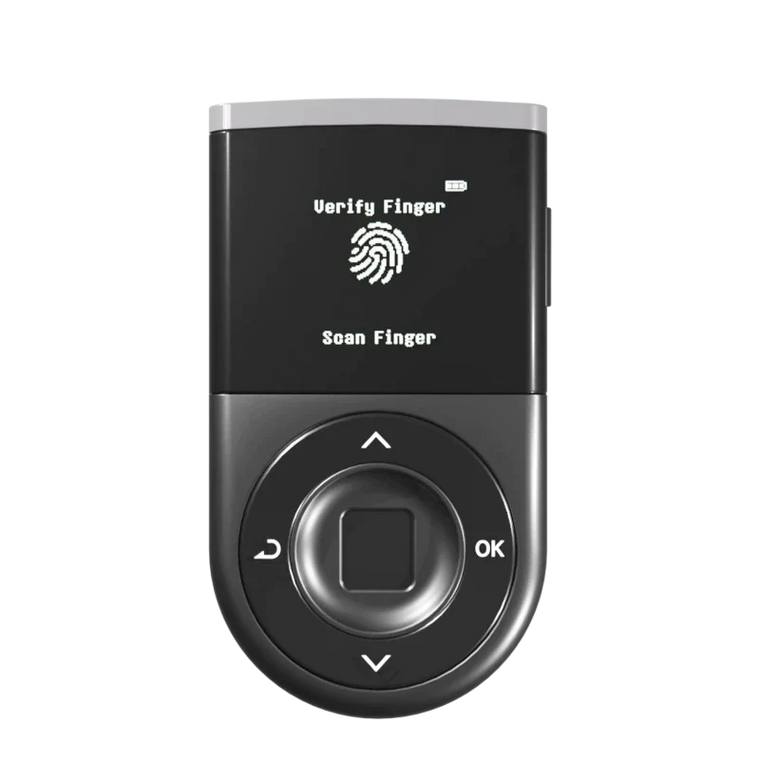
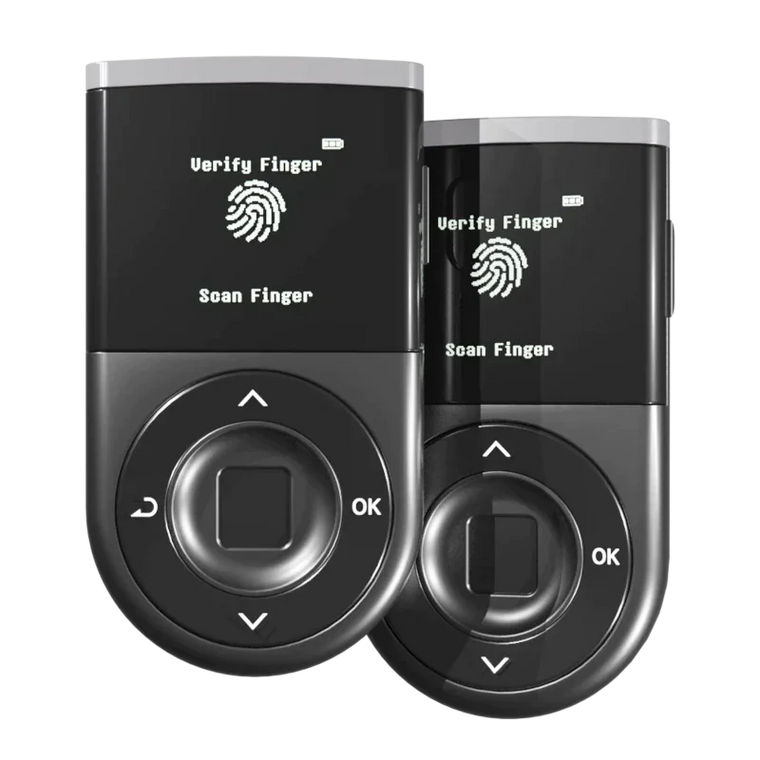
Typical cold wallets are no different. They're simple to use, but you still have to arrange a separate backup yourself. And if you lose that backup too, there's no way to recover.
So We Designed Backup Differently — R3covery
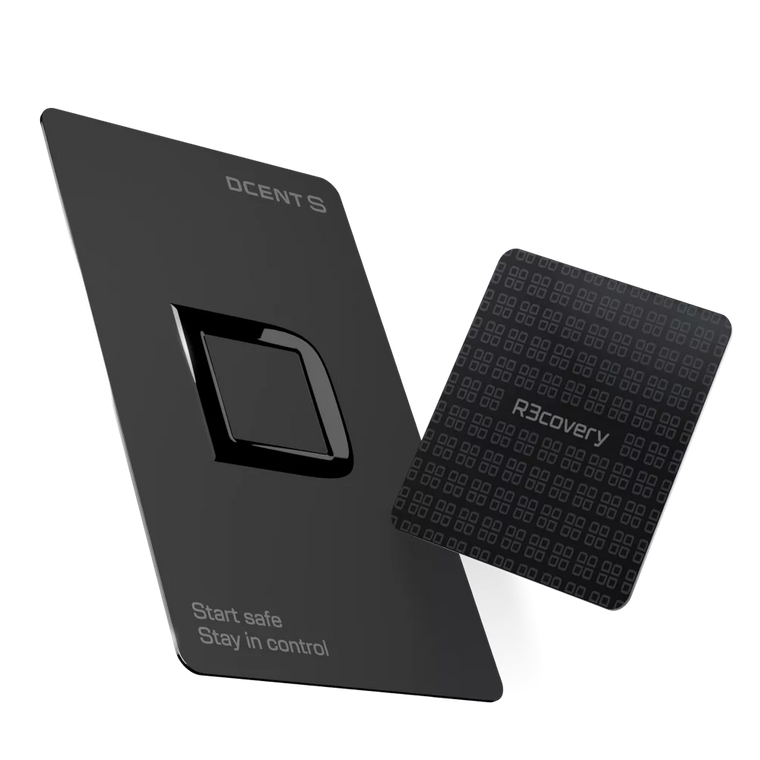
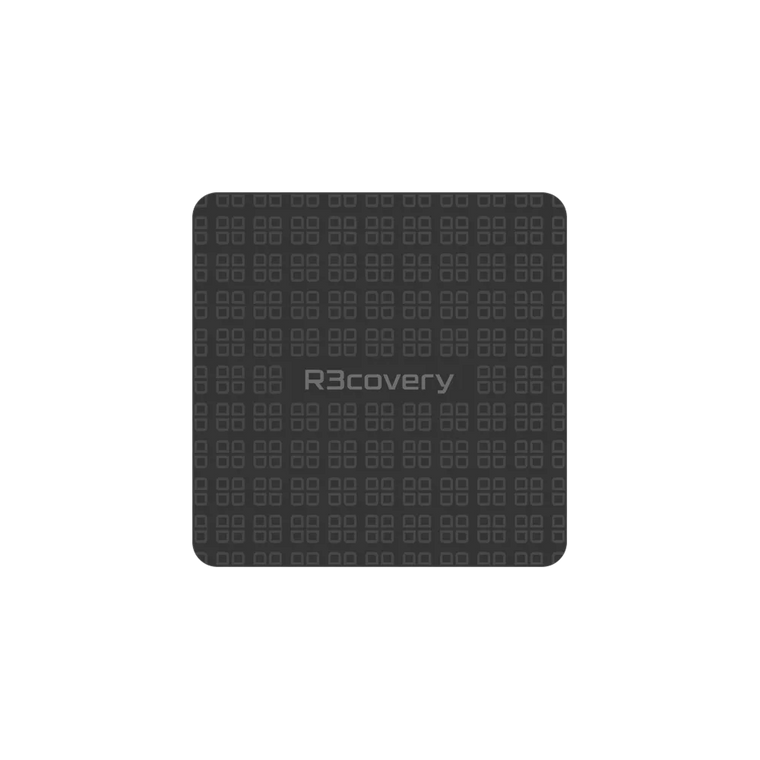
DCENT rethought this "loss" problem starting from the backup itself. Our new card-type cold wallet, DCENT S, comes with a dedicated backup card called R3covery, right in the box.

Two cards that recover each other
DCENT S (the main card) and R3covery (the backup card) are designed to restore one another. With just one of them, you can start again anytime, and recover as many times as you need.
No extra purchase, no paper
You don't need to copy your seed onto paper, and you don't need to buy a backup card separately. Your Plan B is in the box from the very start.
It's built to ease that "lose it all and it's over" anxiety from day one. Want to see how it works?
And in the lessons ahead, we'll walk through seedless setup (Lesson 2), avoiding transfer mistakes (Lesson 3), and blocking scams (Lesson 4), one step at a time.
🌱 Today's Practice — 3 Quick Checks
Take just 3 minutes right now.
Where is your recovery phrase right now? Paper? A photo? A notes app? (If it's in a photo or the cloud, today's a good day to change that.)
Does anyone but you know where it is? Just in case, it helps if one person you trust at least knows that a backup exists.
Are your device and backup in the same place? Keeping them in separate spots spreads out the risk.
❓ Quick Quiz
What's the most common reason people lose assets in self-custody?
① Exchange hacks ② Losing the recovery phrase or keys ③ Network errors
Show answer
② Losing the recovery phrase or keys. Good habits can cut down a lot of hacking risk, but loss, once it happens, is almost impossible to reverse. That's why how you prepare is everything.
Your 24 Seed Words — Are They Really Stored Safely?
We'll cover how to start without ever writing them down (seedless), and what it really means for a backup to be "two-way."
DCENT S · Card-type cold wallet
Carry it daily, Recover it always
Seedless setup · R3covery backup card included · 100+ networks · 4,900+ assets
Meet DCENT S →Keep it safe. Use it freely.