






Key Answer: Blockchain is a shared digital ledger that records every transaction across a network of computers, making it extremely difficult to alter past records. While no technology is completely tamper-proof, blockchain's layered design significantly raises the cost and difficulty of manipulation, which is why it serves as the foundation for cryptocurrencies like Bitcoin and Ethereum.
Executive Summary
- Shared Ledger: Blockchain is like a Google Doc that everyone can read but no one can secretly edit — thousands of copies stay synchronized worldwide
- Block-Chain Structure: Transactions are grouped into blocks, each linked to the previous one, making past records practically impossible to alter
- Decentralization: No central authority controls the records — thousands of network participants verify transactions together
- Self-Custody Foundation: Blockchain makes it possible to hold your own assets without relying on a third party, using private keys stored in hardware wallets
- Beginner Essentials: Never share your private key or recovery phrase, use a hardware wallet for long-term storage, and always verify addresses before sending transactions
Why Should You Care About Blockchain?
Every time you send money through a bank, you're trusting that bank to keep accurate records. The bank is the middleman — it verifies your balance, processes the transfer, and updates both accounts. This system works, but it has a fundamental weakness: everything depends on one institution.
If that institution makes an error, gets hacked, or freezes your account, you have limited control. According to Chainalysis' 2024 Crypto Crime Report, centralized platforms accounted for billions of dollars in losses due to hacks and mismanagement in recent years.
Blockchain offers a different approach. Instead of trusting a single institution, you trust a system where thousands of participants independently verify every transaction. No single entity can alter the records alone.
This is why blockchain matters for anyone holding or considering cryptocurrency — it's the technology that makes self-custody (holding your own assets without relying on a third party) possible.
What Exactly Is a Blockchain?

The Simplest Explanation
Imagine a notebook that records every financial transaction ever made. Now imagine:
- Thousands of identical copies of this notebook exist around the world
- Every time a new transaction happens, all copies update simultaneously
- If someone tries to change a past entry in their copy, it won't match everyone else's — and the network rejects the altered version
That's blockchain in a nutshell: a shared, synchronized record book that's incredibly hard to tamper with.
Blocks and Chains
The name "blockchain" comes from its structure:
- Block: A bundle of recent transactions (think of it as one page in the notebook)
- Chain: Each block contains a reference to the previous block, linking them in sequence
This linking mechanism is what makes blockchain secure. If you change data in Block #100, it would break the link to Block #101, and then #102, and so on. The entire chain after that point would become invalid — an alteration that thousands of network participants would immediately detect.
No Central Authority

In traditional banking:
You → Bank verifies → Bank updates records → Done
In blockchain:
You → Network of thousands of computers verifies → All copies update → Done
The key difference? No single point of failure. There's no one server to hack, no one institution to fail. This concept is called decentralization, and it's what makes blockchain fundamentally different from traditional financial systems.
How Does a Blockchain Actually Work?
Let's walk through what happens when you send cryptocurrency to a friend:

Step 1: You create a transaction
You open your wallet app and enter your friend's address and the amount. Your wallet creates a transaction request and signs it with your private key (a secret digital signature only you control).
Step 2: The network receives it
Your transaction is broadcast to the blockchain network, where it joins a pool of other pending transactions.
Step 3: Validators verify it
Network participants (called miners or validators, depending on the blockchain) check two things:
- Does your wallet actually have enough funds?
- Is your digital signature valid?
Step 4: The transaction is added to a block
Once verified, your transaction is bundled with others into a new block. This block gets a unique fingerprint (called a hash) and a reference to the previous block's fingerprint.
Step 5: The block joins the chain
The new block is added to the chain, and every copy of the ledger around the world updates. Your friend's balance increases. Your balance decreases. The record is now permanent.
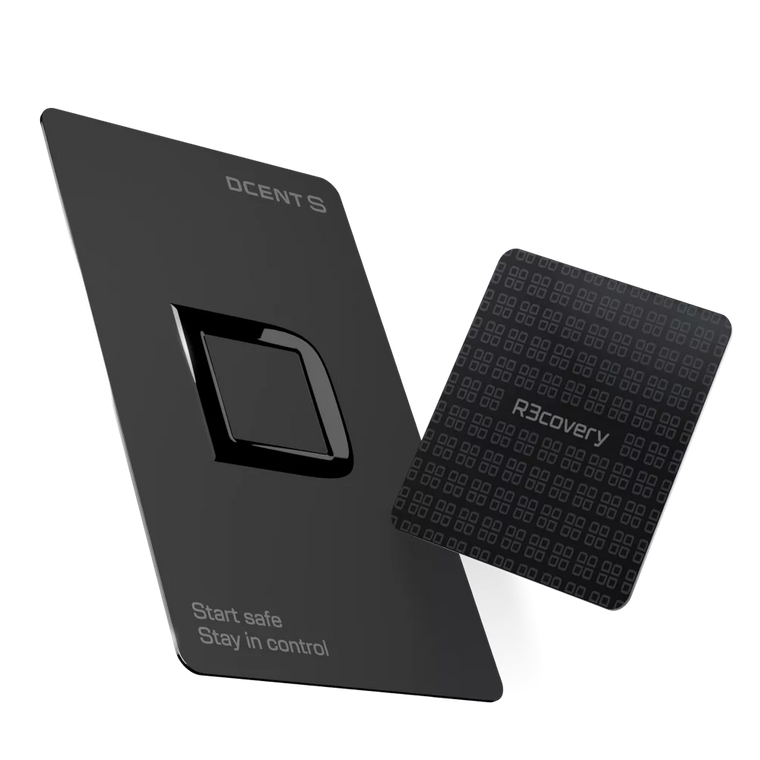
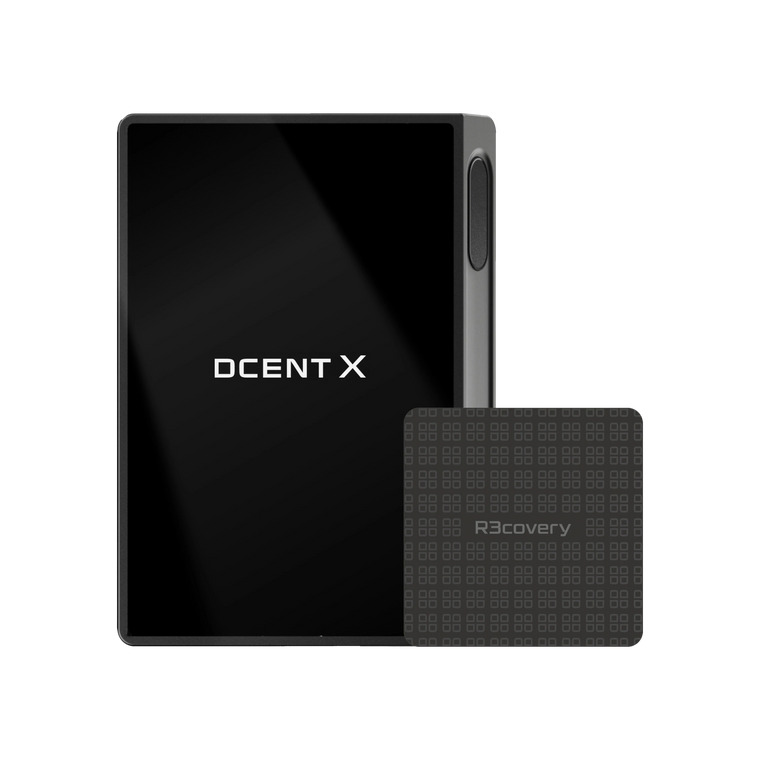
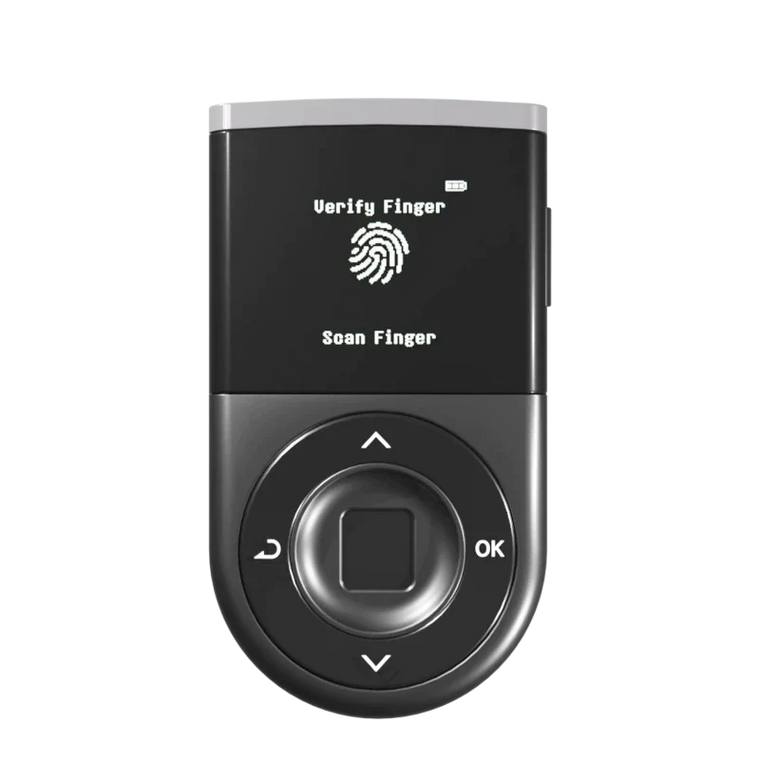
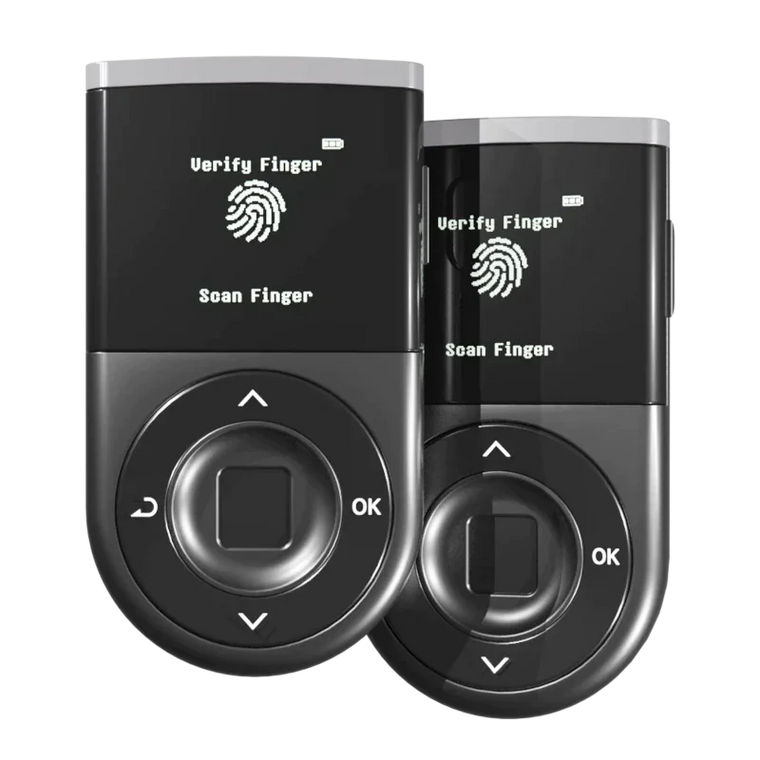
Important: While blockchain records are extremely difficult to alter, the security of your individual assets still depends on how you manage your private keys and wallet. A hardware wallet like D'CENT stores your private keys offline, significantly reducing the risk of key theft — though users should always verify transaction details before signing.
Common Misconceptions About Blockchain

"Blockchain is only for cryptocurrency"
Not true. Blockchain technology is used in supply chain management, digital identity, voting systems, healthcare records, and more. Cryptocurrency is just its most well-known application.
"Blockchain is completely anonymous"
Most blockchains (like Bitcoin and Ethereum) are actually pseudonymous, not anonymous. Transactions are public and traceable — they're just linked to wallet addresses rather than real names. As Ethereum.org's security guide explains, all transactions are publicly visible on the blockchain.
"Blockchain can be easily hacked"
Altering a major blockchain like Bitcoin would require controlling more than 50% of the entire network's computing power simultaneously — a feat that's practically impossible for established networks. However, individual wallets and the applications built on blockchain can be vulnerable if users aren't careful.
"All blockchains are the same"
There are significant differences between blockchains. Bitcoin focuses on being a secure store of value. Ethereum enables programmable smart contracts. Each has different consensus mechanisms, speeds, and use cases.
Blockchain Basics Checklist
If you're new to blockchain, here's what to keep in mind:
- ☐ Understand that blockchain is a shared ledger, not a physical thing you can touch
- ☐ Know the difference between a blockchain (the technology) and a cryptocurrency (one use of that technology)
- ☐ Remember: "decentralized" means no single entity controls the network
- ☐ Never share your private key or recovery phrase with anyone — these are your proof of ownership
- ☐ Use a hardware wallet for long-term storage to keep your private keys offline
- ☐ Always verify the wallet address and network before sending any transaction
- ☐ Be aware that transactions on most blockchains are irreversible — double-check before you confirm
- ☐ Bookmark official sources (like Bitcoin.org or Ethereum.org) for reliable information
FAQ
Q1: Is blockchain the same as Bitcoin?
A: No. Blockchain is the underlying technology — a method of recording data across a distributed network. Bitcoin is one cryptocurrency that uses blockchain technology. Think of it this way: blockchain is the internet, Bitcoin is one website on it.
Q2: Can blockchain records be changed or deleted?
A: In practice, no. Changing a record would require altering that block and every block after it, then convincing the majority of the network to accept the altered version. For major blockchains, this is practically impossible.
Q3: Do I need to understand blockchain to use cryptocurrency?
A: You don't need to understand every technical detail, just like you don't need to know how the internet works to send an email. However, understanding the basics helps you make better decisions about security and which projects to trust.
Q4: How is my crypto stored on a blockchain?
A: Your cryptocurrency isn't "stored" in your wallet like cash in a physical wallet. The blockchain records that a certain amount of crypto is associated with your wallet address. Your wallet holds the private key that proves you own that address and can authorize transactions.
Q5: What happens if the blockchain goes down?
A: Major blockchains like Bitcoin and Ethereum are maintained by thousands of computers worldwide. For the network to "go down," every single one of these computers would need to stop simultaneously — which is extremely unlikely. This distributed design is one of blockchain's core strengths.
Q6: Is blockchain environmentally friendly?
A: It depends on the blockchain. Bitcoin uses Proof of Work (mining), which requires significant energy. Ethereum switched to Proof of Stake in 2022, reducing its energy consumption by over 99%. Many newer blockchains are designed to be energy-efficient from the start.
Q7: Why do blockchain transactions sometimes take a long time?
A: Transaction speed varies by blockchain. Bitcoin processes a new block roughly every 10 minutes, while other blockchains can confirm transactions in seconds. Network congestion (high demand) can also slow things down and increase fees.
Q8: What's the difference between a public and private blockchain?
A: Public blockchains (like Bitcoin and Ethereum) are open — anyone can participate and view transactions. Private blockchains restrict access to approved participants and are often used by businesses for internal operations.