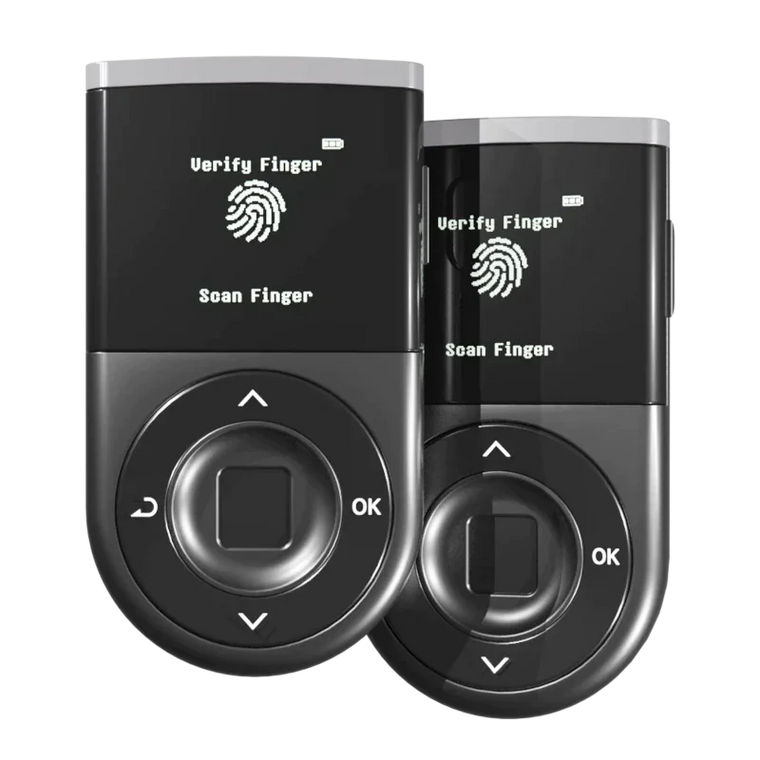







 Key Answer: Yes, a second hardware wallet can strengthen your crypto security by eliminating single points of failure and enabling backup testing. However, hardware wallets protect your private keys but cannot prevent losses if you sign malicious transactions. The decision depends on your asset size, usage patterns, and risk tolerance.
Key Takeaways

- Backup Testing: A second hardware wallet lets you test your recovery phrase backup without risking your main device
- Risk Reduction: Splitting assets across two wallets reduces total loss if one wallet is compromised
- Usage Separation: Separate wallets for long-term storage and daily transactions minimize exposure
- Not Always Necessary: Smaller portfolios may not justify the cost of a second device
- Limitations Apply: Even with multiple wallets, approval-based phishing can still cause losses if you sign malicious requests
When You Need a Second Hardware Wallet

Your Portfolio Has Grown Significantly
If your crypto holdings have grown beyond what you are comfortable losing entirely, a second wallet provides meaningful protection. Splitting assets means a single compromised device cannot drain everything.
You Want to Test Your Backup
Many users write down their recovery phrase but never verify it works. A second hardware wallet lets you perform a real recovery test. If the test fails, you can fix the issue while your main wallet still holds your assets.
You Use Crypto Frequently
Active traders and DeFi users face more exposure to phishing and malicious contracts. Keeping a separate "hot" wallet for daily transactions and a "cold" wallet for long-term storage limits potential damage.
You Need Hardware Redundancy
Hardware fails. If your single device breaks or gets lost, you need your recovery phrase to restore access. A second wallet already set up with the same phrase provides immediate access while you wait for a replacement.
When You Do Not Need a Second Hardware Wallet

You Are Just Starting Out
If you recently purchased your first hardware wallet and hold a modest amount of crypto, focus on mastering one device first. Learn proper backup procedures, understand how to verify transactions, and build good security habits.
Your Holdings Are Small
The cost of a second hardware wallet may not make sense for portfolios under a few hundred dollars. A well-protected single wallet with a properly stored recovery phrase offers sufficient security.
You Rarely Transact
Users who buy and hold long-term with minimal on-chain activity face lower risk. One hardware wallet with verified backup may be adequate.
How to Use Multiple Hardware Wallets
Strategy 1: Backup Recovery Testing

- Set up your primary wallet and record the recovery phrase offline
- Use your second wallet to restore from that recovery phrase
- Verify the same addresses appear on both devices
- Keep the second wallet stored safely as a physical backup
This confirms your recovery phrase works before you actually need it.
Strategy 2: Asset Diversification

Create separate recovery phrases for each wallet. Distribute your assets:
- Wallet A (Cold Storage): 70-80% of holdings, rarely accessed
- Wallet B (Active Use): 20-30% of holdings, for trading and DeFi
If Wallet B is compromised through a malicious signature, Wallet A remains unaffected.
Strategy 3: Purpose-Based Separation

- Long-term holdings: One wallet that stays offline, used only for receiving
- Daily transactions: Another wallet for swaps, NFT mints, and DApp interactions
This limits exposure. Your main savings stay isolated from risky activities.
Common Mistakes to Avoid

Using the Same Recovery Phrase Everywhere
If you use the same recovery phrase on both wallets for convenience (beyond backup testing), a stolen phrase compromises everything. For true diversification, generate unique phrases.
Storing Recovery Phrases Digitally
Never photograph, screenshot, or save your recovery phrase in any digital format. This includes cloud storage, note apps, and email drafts. Offline, physical storage only.
Skipping Transaction Verification
Multiple wallets do not protect against signing malicious transactions. Always verify the recipient address, transaction amount, and any approval requests.
Buying Used Hardware Wallets
Second-hand devices may be pre-compromised. Purchase directly from manufacturers or authorized resellers. If you must buy used, perform a full factory reset and generate a completely new recovery phrase.
Neglecting Firmware Updates
Keep both devices updated. Security patches address vulnerabilities that attackers actively exploit.
Decision Checklist: Do You Need a Second Hardware Wallet?

Use this checklist to evaluate your situation:
- My crypto portfolio exceeds what I can afford to lose entirely
- I have never tested recovering my wallet from my backup phrase
- I interact with DApps, DEXs, or smart contracts regularly
- I want to separate long-term savings from daily transaction funds
- I worry about hardware failure leaving me temporarily locked out
- I plan to hold crypto for multiple years
- I have assets on multiple blockchain networks
- I want physical redundancy in case of device loss or damage
If you checked 3 or more items, a second hardware wallet is worth considering.
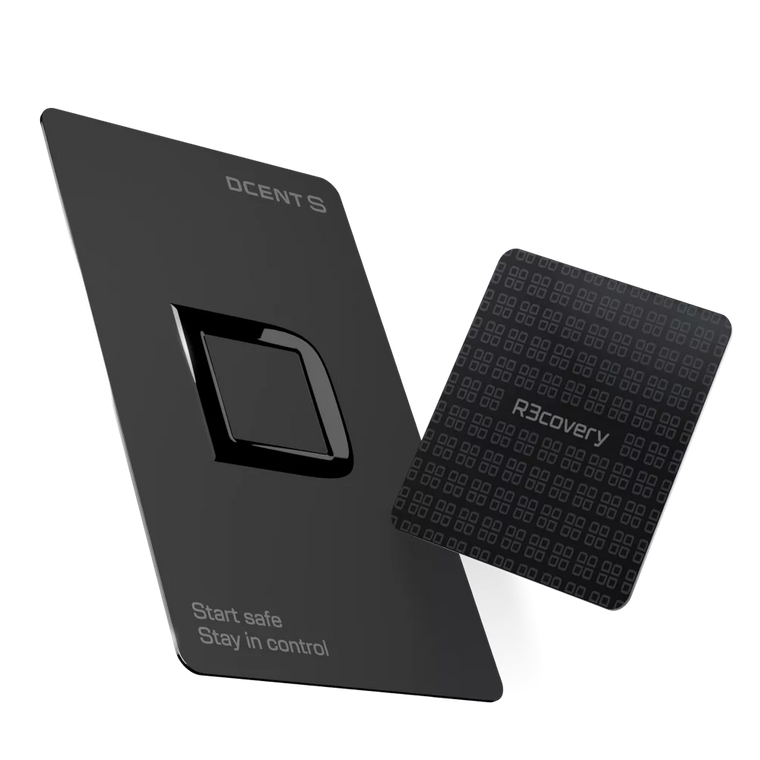
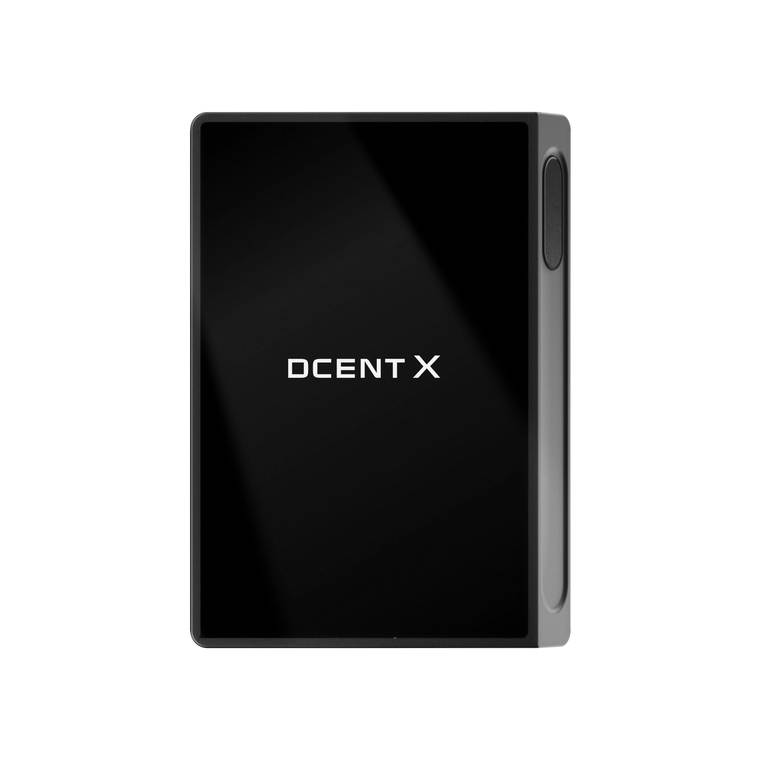
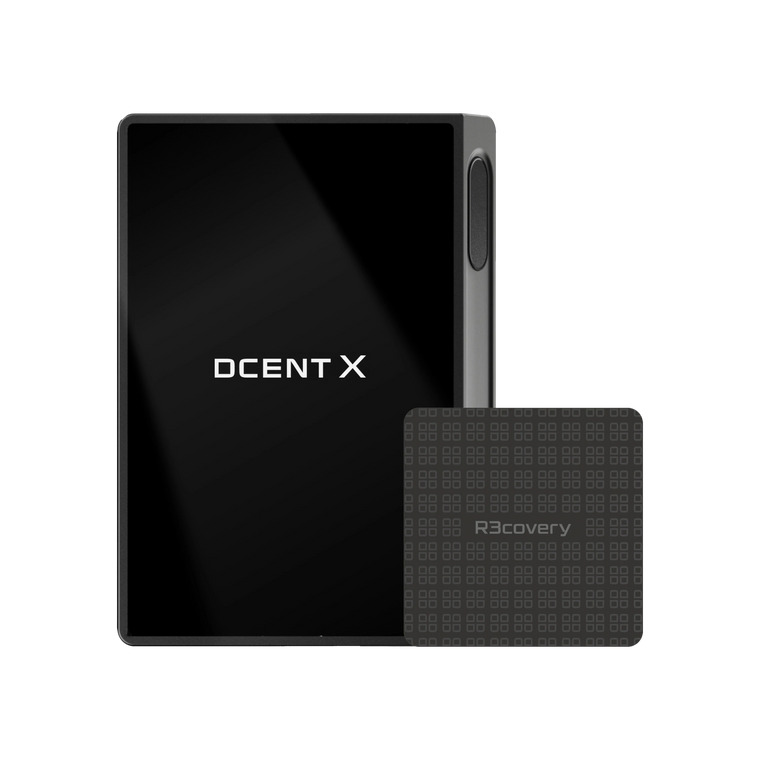
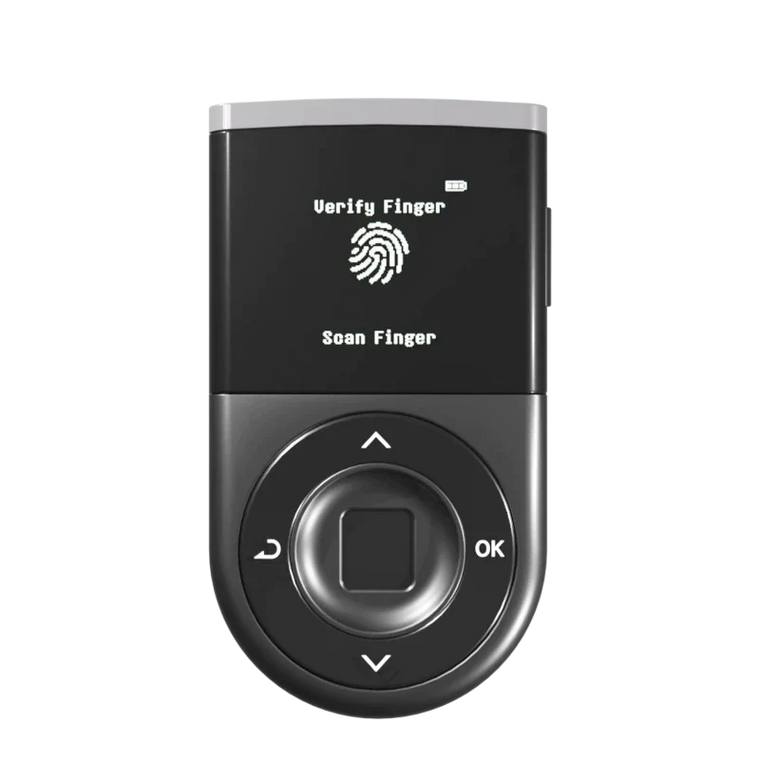
Options like D'CENT Wallet, Ledger, or Trezor each offer different features. Compare connection methods, supported assets, and ease of use to find what fits your needs.
FAQ
Q1: Can I use two different brands of hardware wallets together?
A: Yes. Most hardware wallets use standard BIP-39 recovery phrases. You can restore the same phrase on different brands, though some features may vary. For asset diversification, using different brands with separate phrases adds another layer of protection.
Q2: How do I split my assets between two wallets?
A: Start by deciding your risk tolerance. A common approach: keep 70-80% in cold storage (rarely touched) and 20-30% in an active wallet. Send assets to separate addresses controlled by each wallet. Review and rebalance periodically.
Q3: Does having two wallets mean I need to remember two recovery phrases?
A: Only if you use separate phrases for each wallet. For backup testing, you use the same phrase on both devices. For asset diversification, you manage two distinct phrases. Store each phrase separately and securely offline.
Q4: What happens if I lose one of my hardware wallets?
A: If you lose a device, your assets remain safe as long as your recovery phrase is secure. Purchase a new wallet and restore from your phrase. If using asset diversification, only assets on the lost wallet's phrase are affected.
Q5: Is a second hardware wallet better than a metal backup plate?
A: They serve different purposes. A metal plate protects your recovery phrase from fire and water damage. A second hardware wallet provides immediate access and lets you test recovery. For comprehensive protection, consider both.
Q6: Can two hardware wallets protect me from phishing attacks?
A: Hardware wallets protect your private keys but cannot prevent you from signing malicious transactions. If you approve a malicious contract on either wallet, assets in that wallet can be drained. Always verify what you sign, regardless of how many wallets you own.
Q7: How often should I check my second hardware wallet?
A: At minimum, verify functionality quarterly. Check that the device powers on, firmware is current, and you can access your accounts. For wallets sharing a recovery phrase, confirm both show identical addresses.
Q8: Should I keep both wallets in the same location?
A: No. If both wallets are stored together, a single event (theft, fire, flood) could eliminate both. Keep your backup wallet in a separate secure location, ideally in a different building.