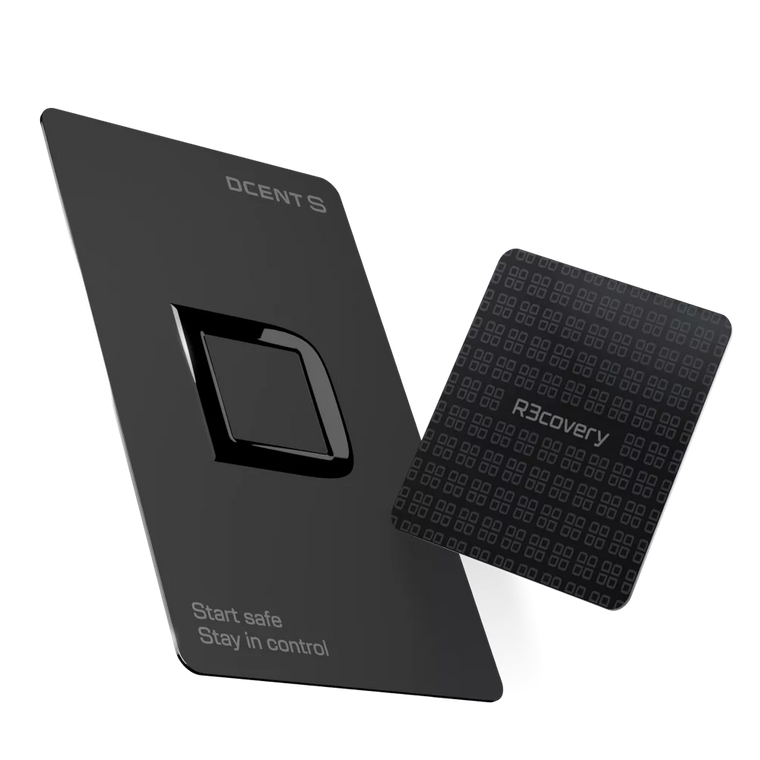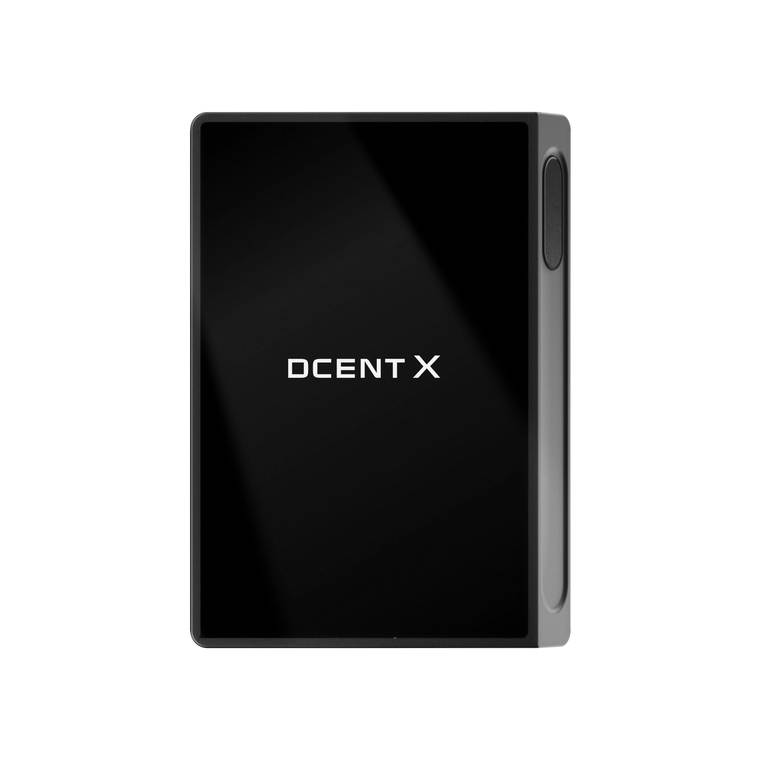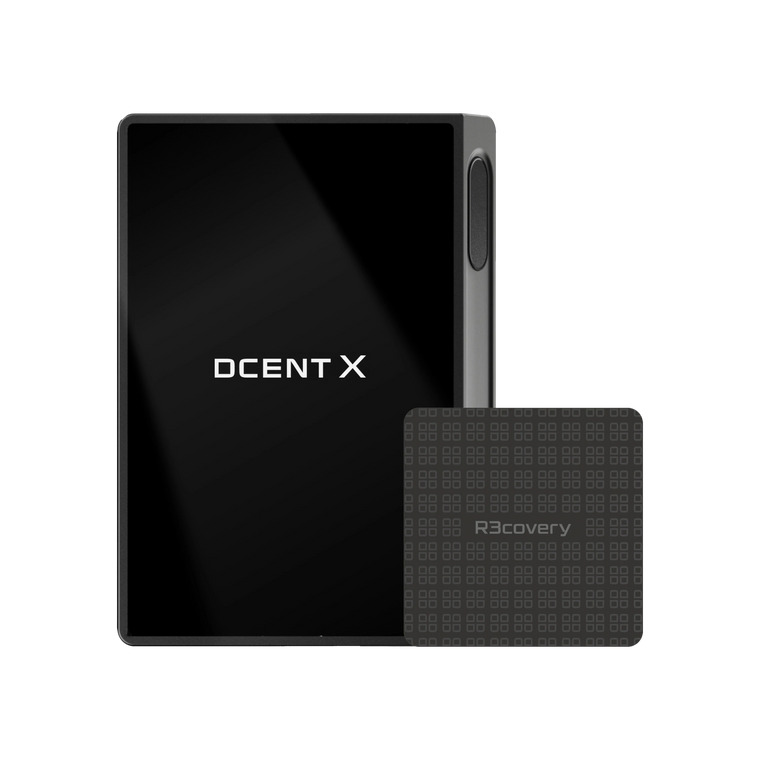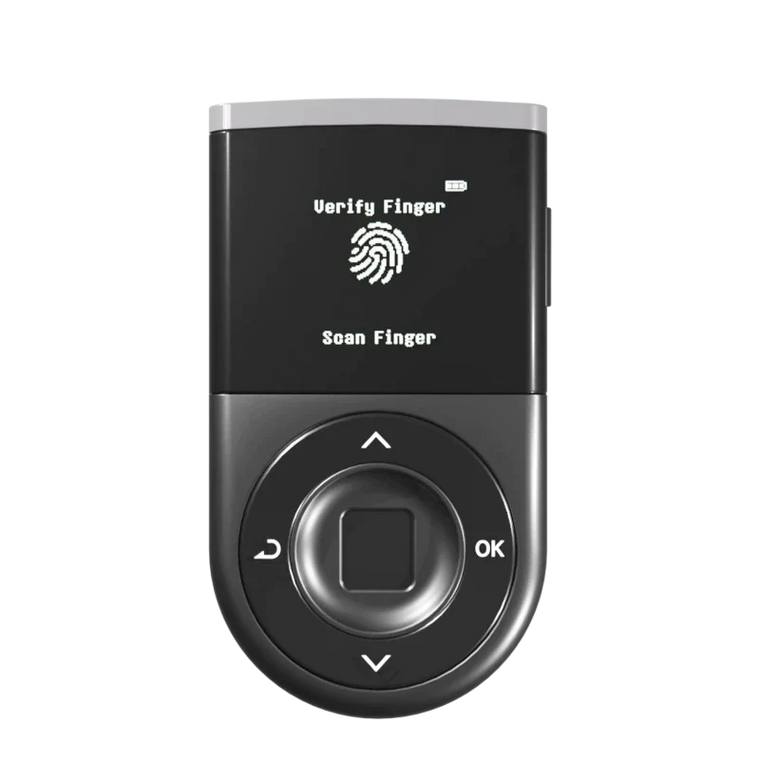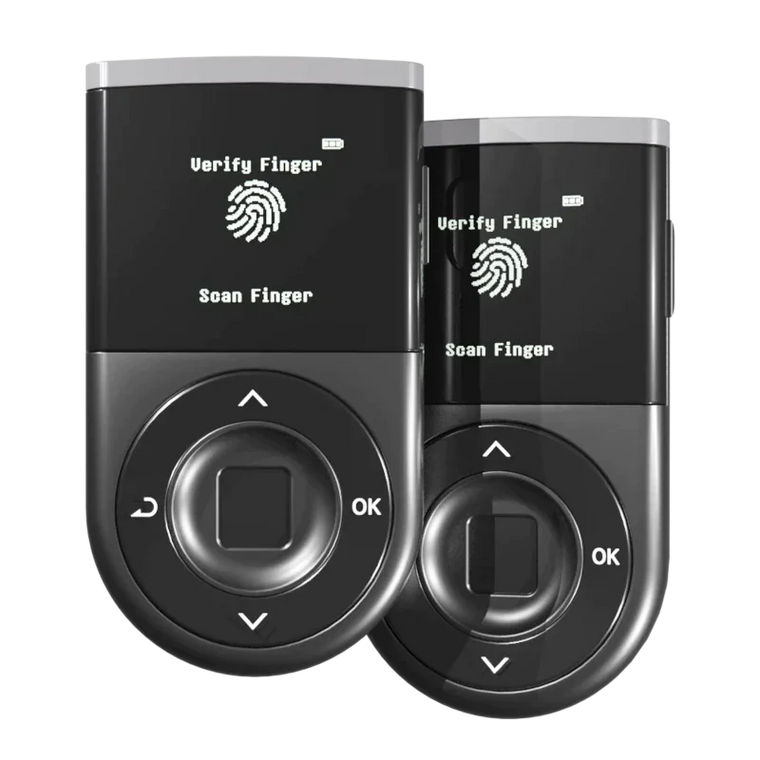







Key Answer: Hardware wallets (Cold wallets) significantly reduce the risk of key theft by keeping your private keys offline and requiring physical confirmation for transactions. However, they cannot protect you if you approve a malicious transaction yourself—phishing attacks, blind signing, and approval scams remain serious threats that require user vigilance and safe signing habits.
Executive Summary
- Offline Security: Hardware wallets keep private keys isolated from internet-connected devices, blocking remote key theft
- Authentic Purchase: Always buy from official sources and verify device integrity to prevent supply chain attacks
- Real-time Warnings: Scam detection features warn you before signing suspicious transactions, but final verification is your responsibility
- Seed Storage: Store recovery phrases offline on paper or metal—never digitally or in photos
- Regular Maintenance: Review token approvals monthly and revoke unnecessary permissions to minimize exposure
Why It Matters: Understanding the Threat Model
Many people buy a hardware wallet believing it makes their crypto "unhackable." This misconception can lead to dangerous overconfidence. The truth is more nuanced—hardware wallets are excellent at keeping private keys offline, but they're just one layer in your security stack.
For individual hardware wallet users, the biggest risks aren't sophisticated chip-level attacks—they're user-side threats. In 2024, wallet drainer attacks alone stole $494 million by tricking users into approving malicious transactions. While large-scale exchange hacks dominated headlines in 2025 (including the $1.5 billion Bybit incident), individual users with hardware wallets are far more likely to lose funds through phishing, blind signing, or recovery phrase exposure. Knowing your threat model means knowing where to focus your attention.
What: What Are the Real Threats to Hardware Wallets?
Security Chips and Verification Systems

Modern hardware wallets use secure elements (like CC EAL5+ certified chips) to isolate private keys. These chips resist physical tampering and side-channel attacks. However, the security of your wallet also depends on firmware integrity, supply chain verification, and proper recovery phrase management. No hardware protection can save you from approving a malicious transaction.
Pre-signature Protection (Real-time Scam Detection)

Features like D'CENT's Blockaid integration analyze transactions before you sign, warning you about known scam addresses, suspicious approvals, or dangerous contract interactions. This adds a protective layer by catching many common attacks. However, no detection system is perfect—you should still carefully review what appears on your device screen before confirming any transaction.
## User Experience and Compatibility
Good hardware wallets support multiple languages, integrate with popular apps, and work across major blockchains. Mobile connectivity via Bluetooth or NFC adds convenience. When choosing a wallet, consider which chains and tokens you need, but remember that security features should take priority over convenience. Exchange integrations can be helpful but always verify transactions on your device.
How: How Can You Protect Yourself from Each Threat?
Step 1: Verifying Authentic Hardware Wallets
- Purchase only from official stores or verified authorized retailers—never from marketplace resellers or "discount" sources
- Check all security seals and packaging for signs of tampering before opening
- Generate your own recovery phrase during setup—never accept a device with a pre-filled seed phrase
Step 2: Safe Wallet Usage
Always read transaction details on your device screen before signing. Bookmark official websites and only access them through bookmarks—never through links in emails or messages. When in doubt, stop and verify through official support channels.
Review token approvals monthly using tools like Revoke.cash and revoke any permissions you no longer need.
Mistakes: Critical Errors to Avoid

Recovery Phrase Exposure
Never enter your recovery phrase on any website, app, or form—no legitimate service will ever ask for it. Don't store it in photos, cloud storage, password managers, or note apps. Use only paper or metal storage in a secure, offline location. If you suspect your phrase was exposed, create a new wallet immediately and transfer your assets.
Dangerous Wallet Habits
Don't ignore warning messages from your wallet or scam detection features—they exist to protect you. Avoid blind signing transactions you don't understand. Never buy hardware wallets from unofficial sources or secondhand sellers. Review and revoke unlimited token approvals from DeFi protocols you no longer use, as these remain attack vectors even with secure key storage.
Practical Security Checklist
Minimal, Actionable, and Sustainable
Monthly (10 minutes)
-
Review recent transactions and withdrawals
Check your wallet activity for any unauthorized transactions you don't recognize -
Use a third-party tool to remove unnecessary approvals.(e.g., Revoke.cash)
Revoke unlimited approvals from protocols you no longer use to minimize exposure -
Disconnect all connected sites and apps
Clear DApp connections you're not actively using to reduce attack surface -
Visually inspect recovery phrase storage
Confirm your backup is secure, undamaged, and readable without entering it anywhere
Every 3 Months
-
Review PIN / lock settings for high-value wallets only
Ensure your PIN is strong and consider enabling additional security features if available -
Confirm wallet functionality after OS or browser updates
Test a small transaction after major updates to ensure everything works correctly
Every 6–12 Months
-
Review emergency recovery plan
Update inheritance documentation and ensure trusted contacts know how to access funds if needed -
Verify recovery phrase readability (no recovery input)
Physically check that your backup is legible—without entering it into any device
FAQ
Q1: Can hackers remotely access my hardware wallet?
A: No. In general, hackers can’t remotely extract private keys from a properly designed and uncompromised hardware wallet. The bigger risk is being tricked into signing a malicious transaction or exposing your recovery phrase.”
Q2: Is my crypto 100% safe with a hardware wallet?
A: No security solution is 100% safe. Hardware wallets greatly reduce key theft risk, but you can still lose funds by approving malicious transactions, exposing your recovery phrase, or falling for phishing attacks. User behavior is the critical factor.
Q3: What if my hardware wallet is stolen?
A: A thief would need your PIN to access funds, and most hardware wallets wipe after several consecutive failed PIN attempts. However, you should immediately transfer funds to a new wallet using your recovery phrase backup, as sophisticated attackers with significant resources might attempt chip-level analysis.
Q4: Should I buy a used hardware wallet?
A: Never buy used hardware wallets. There's no way to verify they haven't been compromised. The small savings aren't worth the risk of a device with a known recovery phrase or malicious firmware.
Q5: What's blind signing and why is it dangerous?
A: Blind signing means approving a transaction without seeing its full details. You might think you're doing something simple but actually be approving a token drain. Always use wallets that parse and display transaction details clearly.
Q6: How does real-time scam detection help?
A: Features like D'CENT's Blockaid integration analyze transactions before signing, warning about scam addresses and suspicious approvals. This adds protection, but it's not perfect—always verify what you're signing on your device screen.
Q7: How often should I check token approvals?
A: Review approvals at least monthly. After using any new DeFi protocol, check what you granted. Revoke unlimited approvals from protocols you no longer use. Tools like Revoke.cash make this simple.