






Key Answer: Storing stablecoins in a hardware wallet keeps your private keys offline, significantly reducing the risk of theft from exchange hacks, phishing attacks, and smart contract exploits. However, a hardware wallet does not protect against depegging events or user errors like signing malicious transactions — so understanding the full picture of stablecoin risks is just as important as choosing the right wallet.
Key Takeaways
- Market Scale Matters: Stablecoins hit a record $310 billion market cap in early 2026 — more assets at stake means security matters more than ever
- Stability ≠ Safety: "Stable" doesn't mean "risk-free" — depegging, smart contract bugs, and phishing are real threats
- Custodial Risk: Keeping stablecoins on an exchange exposes them to custodial risk (the Bybit hack alone cost $1.4 billion in February 2025)
- Hardware Wallets Help: A hardware wallet stores your private keys offline, but you still need to verify every transaction before signing
- Regulation Evolving: The GENIUS Act (signed July 2025) creates new regulatory standards for stablecoin issuers, but your storage security is still your responsibility
Why Does Stablecoin Storage Security Matter?
Stablecoins are often treated as the "safe" corner of crypto. After all, they're designed to hold a steady value — usually pegged to the US dollar. But that sense of safety can create a blind spot.
The stablecoin market reached a record $310 billion in market capitalization in early 2026, with on-chain transaction volumes exceeding $33 trillion in 2025 alone — surpassing Visa's annual payment volume. That's an enormous amount of value flowing through digital wallets every day.
Where there's value, there are attackers. In February 2025, the Bybit exchange lost approximately $1.4 billion in the largest crypto theft in history — a stark reminder that keeping assets on centralized platforms carries significant risk. That same month, Infini, a stablecoin-focused neobank, lost $49.5 million in USDC when a former developer exploited retained admin keys.
The bottom line: stablecoins are only as safe as the way you store them.
What Are the Real Risks of Holding Stablecoins?
Before you can protect your stablecoins, you need to understand what you're protecting them from.

1. Depegging Risk
A stablecoin "depeg" happens when its market price drops below its intended $1.00 value. In October 2025, Ethena's USDe dropped to $0.65 on Binance during a $19 billion liquidation cascade — triggering $8.3 billion in outflows and cutting Ethena's total value locked by more than 50%.
While USDe maintained its peg on decentralized exchanges during that event, the panic and outflows were very real. No stablecoin is completely immune to depegging risk. The type of collateral backing a stablecoin (fiat reserves vs. crypto vs. algorithmic) directly affects how likely a depeg is.
2. Exchange and Custodial Risk
When you hold stablecoins on an exchange, you don't control the private keys — the exchange does. If the exchange gets hacked, freezes withdrawals, or goes bankrupt, your stablecoins may be lost or locked.
Total crypto losses from hacks reached approximately $2.9 billion in 2025, with the average loss per event more than doubling compared to 2024.
3. Phishing and Approval Scams
Attackers don't always need to hack an exchange. They can trick you into:
- Signing a malicious transaction that drains your wallet
- Granting unlimited token approvals to a fake DApp
- Entering your recovery phrase on a phishing website
A hardware wallet protects your keys from remote theft, but if you approve a malicious transaction on the device itself, the damage is done. Always verify what you're signing on your wallet's display before confirming.
4. Smart Contract Exploits
Stablecoins rely on smart contracts. If a vulnerability exists in the contract code, attackers can exploit it — regardless of whether you're using a hardware wallet. The Infini exploit mentioned earlier is a textbook example: the smart contract's admin keys were never properly revoked.
5. Regulatory Uncertainty
The GENIUS Act, signed into law on July 18, 2025, establishes the first comprehensive US regulatory framework for stablecoins. It requires issuers to maintain 1:1 reserves and subjects them to federal or state oversight. While this improves transparency for major stablecoins like USDT and USDC, the rules take full effect by January 2027 — and not all stablecoins may comply.
How to Store Stablecoins Safely: Step-by-Step
Here's a practical guide to securing your stablecoins, whether you're just starting out or moving assets off an exchange.
Step 1: Choose Self-Custody Over Exchange Storage
Self-custody means you hold your own private keys — no exchange, no intermediary. According to industry data, approximately 59% of crypto wallet users globally now prefer non-custodial wallets, a clear shift toward personal control.
Why self-custody?
- You're not affected by exchange hacks or withdrawal freezes
- Your assets aren't part of an exchange's bankruptcy estate
- You decide when, where, and how to move your stablecoins

Step 2: Use a Hardware Wallet for Cold Storage
A hardware wallet (also called a cold wallet) stores your private keys on a physical device that stays offline. This means remote hackers can't access your keys — even if your computer or phone is compromised.
What to look for:
- Certified secure element (EAL5+ or higher) for key storage
- Multi-chain support — stablecoins exist on Ethereum, Tron, BNB Chain, Polygon, Solana, and many other networks
- On-device transaction verification — so you can confirm exactly what you're signing
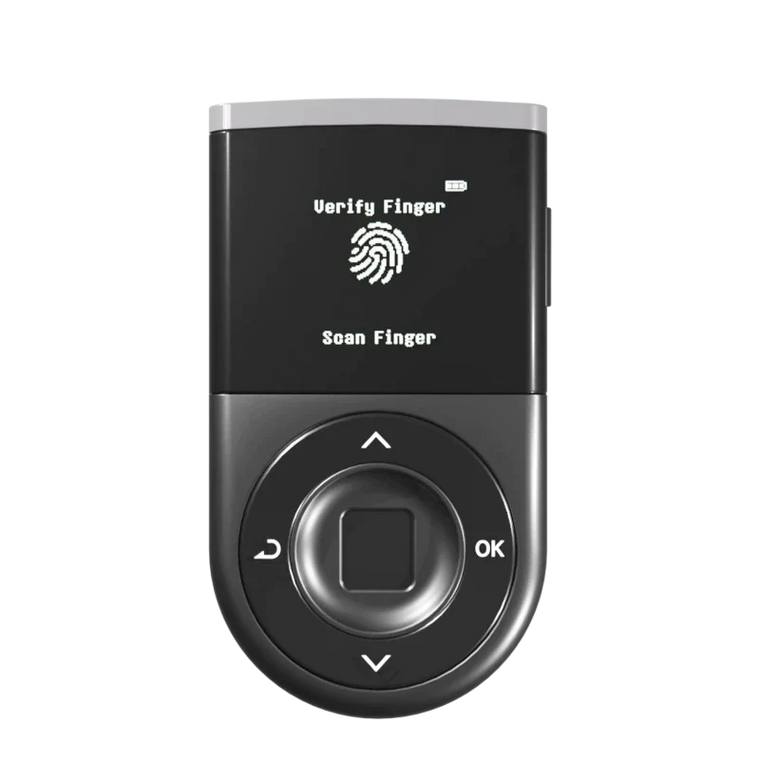
- Biometric authentication (like fingerprint) for an extra layer of protection
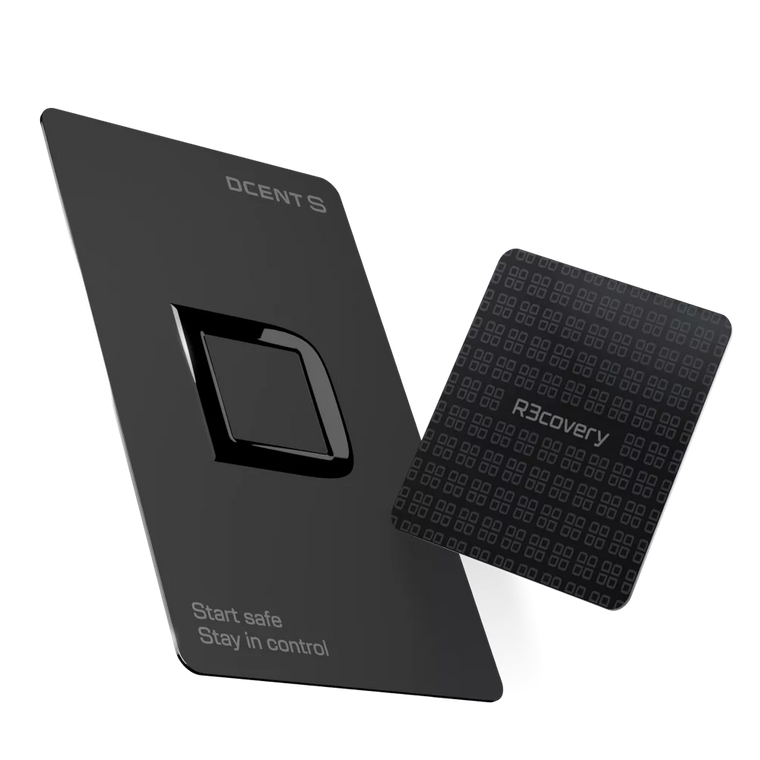
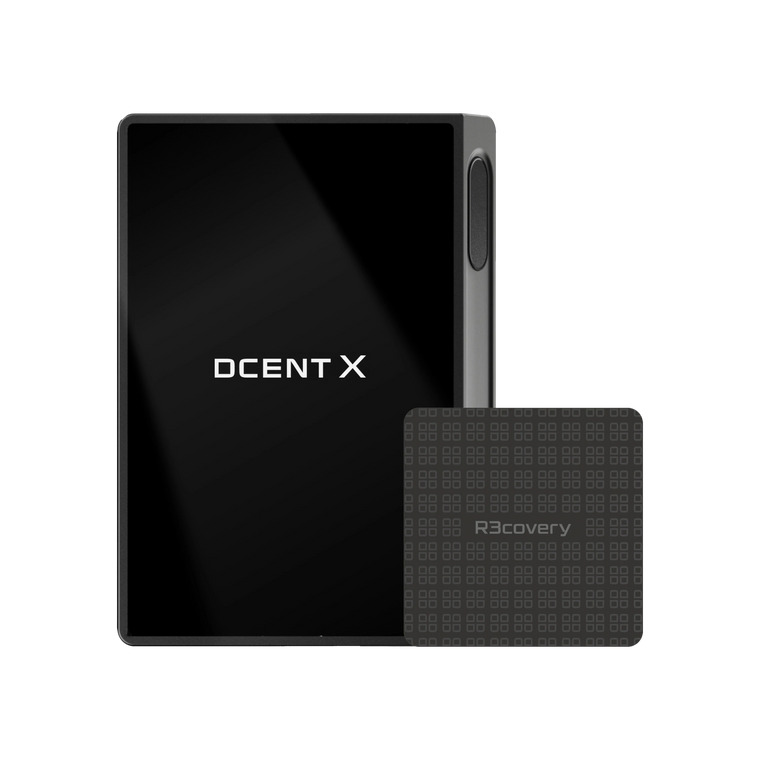
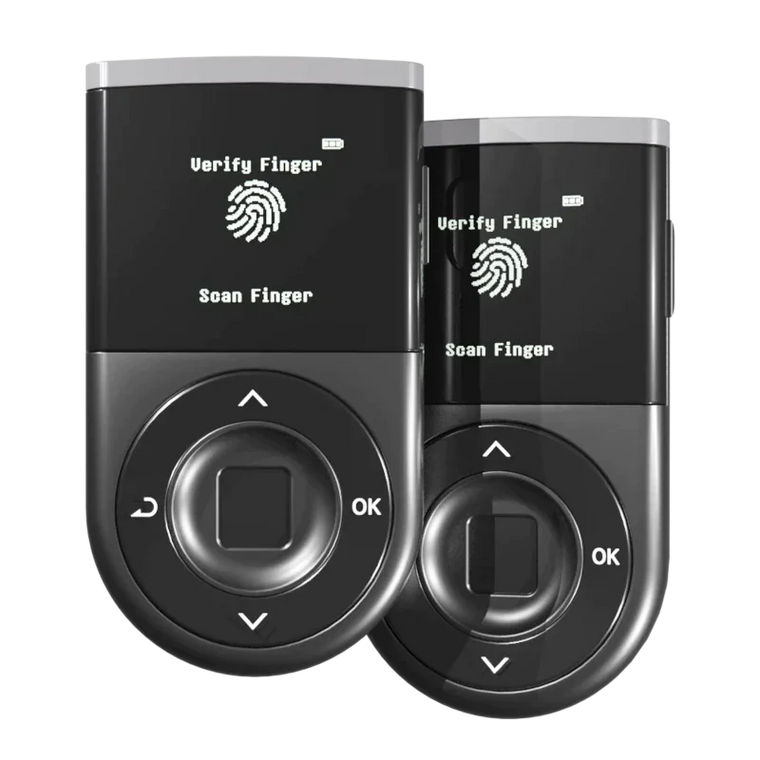
D'CENT's Biometric Wallet, for example, features a CC EAL5+ certified secure element and supports 80+ blockchains — meaning you can manage USDT, USDC, DAI, and other stablecoins across multiple networks from a single device.

Step 3: Set Up Your Wallet and Back Up Your Recovery Phrase
When you initialize a hardware wallet, it generates a recovery phrase (also called a seed phrase) — typically 24 words. This phrase is the master backup for all your accounts.
Critical rules for your recovery phrase:
- Write it down on paper — never store it digitally (no photos, no cloud, no notes app)
- Store the paper in a secure, offline location (fireproof safe, safety deposit box)
- Never share it with anyone — no legitimate service will ever ask for it
- Consider a metal backup for protection against fire and water damage

Step 4: Transfer Stablecoins to Your Hardware Wallet
Once your wallet is set up:
- Verify the receiving address on your hardware wallet's display (not just on your computer screen)
- Send a small test transaction first
- Confirm the transaction arrived successfully
- Transfer the remaining balance
- Double-check the network/chain — sending USDT on Ethereum to a Tron address means permanent loss

Step 5: Review and Revoke Token Approvals Regularly
When you interact with DeFi protocols, you often grant them permission (approval) to spend your tokens. Old or unlimited approvals are a security risk — if the protocol gets compromised, attackers can drain approved tokens from your wallet.
Check your approvals monthly using tools like Revoke.cash or Etherscan Token Approval Checker, and revoke any you no longer need.

Common Mistakes to Avoid
Keeping large stablecoin balances on exchanges
Exchanges are convenient for trading, but they're not designed to be long-term vaults. Move stablecoins you're not actively trading to self-custody.
Storing your recovery phrase digitally
Screenshots, cloud notes, password managers — all of these can be compromised. Recovery phrases belong on paper or metal, stored offline.
Ignoring token approvals
That unlimited USDT approval you gave to a DeFi protocol six months ago? If the protocol gets hacked, your approved tokens are at risk. Review and revoke regularly.
Assuming "stable" means "safe"
Stablecoins carry unique risks including depegging, regulatory action, and issuer insolvency. Diversify across different stablecoins (USDT, USDC, DAI) and understand the backing mechanism of each.
Rushing transactions without verification
Always verify the recipient address, the amount, and the network on your hardware wallet's display. One wrong character in an address means permanent loss.
Using the same wallet for everything
Separate your long-term storage wallet from your daily-use wallet. Keep the bulk of your stablecoins in cold storage and only move what you need to a hot wallet for active use.
Stablecoin Security Checklist
- ☐ Move stablecoins off exchanges into a self-custody hardware wallet
- ☐ Verify your hardware wallet has a certified secure element (EAL5+ or equivalent)
- ☐ Write your recovery phrase on paper and store it in a fireproof, waterproof location
- ☐ Never store your recovery phrase digitally — no photos, cloud storage, or apps
- ☐ Send a small test transaction before transferring large amounts
- ☐ Always verify address, amount, and network on the hardware wallet display
- ☐ Review and revoke unnecessary token approvals monthly
- ☐ Use separate wallets for long-term storage and daily transactions
- ☐ Keep your hardware wallet firmware updated to patch security vulnerabilities
- ☐ Research the backing mechanism of every stablecoin you hold (fiat-backed, crypto-backed, algorithmic)
- ☐ Never click links in unsolicited messages claiming to be from wallet providers or exchanges
- ☐ Create an emergency plan — ensure a trusted person knows how to access your assets if needed
Frequently Asked Questions (FAQ)
Q: Are hardware wallets safe for storing USDT and USDC?
A: Yes. Hardware wallets are one of the safest methods for storing USDT, USDC, and other stablecoins because they keep your private keys offline and isolated from internet-based attacks. However, they don't protect against depegging events or user error — you still need to verify every transaction before signing.
Q: What happens when a stablecoin depegs?
A: A depeg means the stablecoin's market price drops below its intended value (usually $1.00). This can happen due to a liquidity crisis, loss of confidence, or insufficient reserves. In October 2025, USDe dropped to $0.65 on Binance during a market crash, triggering billions in outflows. A hardware wallet protects your keys but cannot prevent the value of a stablecoin from dropping.
Q: Do I need a hardware wallet for stablecoins, or is a software wallet enough?
A: For small amounts used for daily transactions, a reputable software wallet can be sufficient. For larger holdings you plan to keep long-term, a hardware wallet provides significantly better protection by keeping your private keys completely offline. Think of it like this: a software wallet is your everyday spending wallet; a hardware wallet is your savings vault.
Q: What is the GENIUS Act, and how does it affect stablecoin holders?
A: The GENIUS Act (Guiding and Establishing National Innovation for US Stablecoins Act) was signed into law on July 18, 2025. It requires stablecoin issuers to maintain 1:1 reserves and submit to regulatory oversight. For holders, this means improved transparency from compliant issuers — but it does not change the fundamental need to secure your own private keys.
Q: Can I store stablecoins on multiple blockchains with one hardware wallet?
A: Yes. Modern hardware wallets like D'CENT support 80+ blockchains, allowing you to store USDT on Ethereum, Tron, BNB Chain, and other networks from a single device. Just make sure you select the correct network when sending or receiving — cross-chain errors can result in permanent loss.
Q: How do I protect my seed phrase for stablecoin wallets?
A: Write your recovery phrase (seed phrase) on paper or engrave it on a metal backup plate. Store it in a secure, offline location like a fireproof safe. Never take photos of it, store it in cloud services, or enter it on any website. No legitimate wallet provider will ever ask for your recovery phrase.