






If you've spent any time in the XRP world, you've almost certainly bumped into XLM, the native coin of Stellar. Both are fast, both are cheap, and they often get lumped together in payment talk, so a fair question keeps coming up among holders: "What's actually the difference between XRP and XLM? And if I had to pick, which one should I hold?"
Here's the short of it: they may look alike, but they've grown into two networks doing genuinely different jobs. XRP is built as an institutional payments and liquidity network for moving big value fast. Stellar started in real-world money access and is now a programmable finance platform with smart contracts, real-world assets, and DeFi building on top. On top of that, in 2026 both are reaching into traditional finance — real-world assets, regulated dollars, and ways to put your coins to work for yield. This post breaks down how they really differ, where they're both headed, and how to hold and use both safely in one place.
The 30-second version: XRP and XLM are both fast and cheap, but they're aimed at different things. XRP is an institutional payments and liquidity network, led by Ripple, strong at moving big value fast alongside regulated dollars like RLUSD. XLM (Stellar) started in real-world money access and has grown into a programmable finance platform where real-world assets and DeFi now live. In 2026 both are pushing into real-world assets and on-chain yield. They're not an either-or, and D'CENT is one of the very few cold wallets that fully supports both — Stellar included.
This article is for information only. It is not a recommendation or investment advice.
1. One Founder, Two Very Different Networks
Why do these two keep getting compared? There's a fun bit of history behind it. A developer named Jed McCaleb helped create the original XRP Ledger and co-founded the company that became Ripple. In 2014 he left and co-founded Stellar, which launched its own network and native coin, XLM (Lumens).
So yes, there's some shared starting point. Both networks settle in seconds, charge tiny fees, run a built-in exchange (DEX) at the protocol level, and use a Trust Line concept for holding issued tokens. But that's about where it ends. From there the two went their own ways, and today their goals, ecosystems, and what you can actually do on each are quite different. The real story is in those differences.
2. The Real Difference: Two Networks Doing Different Jobs
Speed and fees look similar. What truly separates them is what each network is built to do.
XRP is specialized for moving big value fast. The core idea is settling cross-border transfers that used to take days in just seconds, using XRP as a bridge asset. That makes it a natural fit for banks, payment providers, and institutions, and it's why a regulated dollar stablecoin, RLUSD, lives on the same ledger to back payments and liquidity. In short, it's a high-speed settlement rail for money in motion.
Stellar started in remittances and real-world money access, with strong on/off-ramps (anchors) across many countries and cheap transfers. But it took a step further: with Soroban smart contracts, it has grown into a programmable finance platform where real-world assets (RWA), lending, and yield vaults are built directly on top. It's less "just a payment coin" and more a place to build financial products.
So this isn't a "better vs worse" thing — it's a different jobs thing. One leans into moving big value fast; the other leans into building a range of finance on top.
3. XRP vs XLM, Side by Side
Here's the quick comparison most people are looking for.
| XRP | XLM (Stellar) | |
|---|---|---|
| Network | XRP Ledger (XRPL) | Stellar network |
| In one line | Payments & liquidity network | Programmable finance platform |
| Core strength | Fast cross-border settlement & liquidity | Remittance/on-ramps + RWA & DeFi |
| Speed | Seconds | Seconds |
| Fees | A tiny fraction of a cent | A tiny fraction of a cent |
| Smart contracts | XRPL native features + sidechain | Soroban smart contracts |
| Built-in DEX | Yes | Yes |
| Trust Lines | Yes | Yes |
| Dollar stablecoin | RLUSD (Ripple's dollar) | USDC & EURC widely issued |
| On-chain yield | XRPFi vaults (live in D'CENT) | XLMFi & vaults (emerging) |
Details like supply, partners, and product timelines change over time. Always check current sources before making decisions.
4. The 2026 Shift: Both Are Growing Into Real Finance
For years the story was simple: XRP and XLM move money fast and cheap. That's still true — but it's no longer the whole story. In 2026, both networks are stepping into traditional finance, and that's the part most "XRP vs XLM" articles miss.
XRP / Ripple: a regulated dollar and institutional rails
On the XRP side, Ripple launched RLUSD, a regulated U.S. dollar stablecoin living natively on the XRP Ledger, and keeps building toward banks, payments, and tokenized real-world assets settling on XRPL. Around that, an "XRPFi" world has formed where holders can put XRP and RLUSD to work in vaults instead of letting them sit idle.
XLM / Stellar: real-world assets and institutional pilots
Stellar's move into traditional finance has been just as real, arguably louder:
- Tokenized real-world assets are landing. Asset managers are issuing on Stellar — for example, tokenized treasury and credit strategies tied to names like Janus Henderson — bringing institutional-grade assets onto Stellar's rails.
- Big infrastructure is paying attention. The DTCC, a backbone of U.S. securities settlement, selected Stellar to pilot tokenization work — a notable vote of confidence from old-world finance.
- Real dollars and euros live there. Circle's USDC and EURC are issued natively on Stellar, giving its DeFi a solid stable base.
- Smart contracts unlocked DeFi. With Soroban, Stellar now hosts lending, DEXs, and yield protocols — the plumbing you need for on-chain earning.
The takeaway: these two aren't just payment coins anymore. They're both becoming places where real-world value and on-chain yield meet — just from their two classic angles, institutions and everyday users.
5. Putting Them to Work: XRPFi Today, XLMFi Next
One of the most common questions is some version of "can I earn on XRP or XLM, like staking?" Neither has classic proof-of-stake staking. Instead, the earning happens through DeFi vaults and strategies built on each network. Here's the honest state of play.
On the XRP side, XRPFi is live and growing. Holders can move XRP or RLUSD into vaults that put them to use rather than letting them sit. In D'CENT, several of these vaults are already reachable directly in the app. (We compared them in our XRPFi Vaults Compared post.)
Stellar's version is catching up fast. With Soroban smart contracts, an on-chain economy of lending markets, DEXs, and yield vaults has formed. Notably, a Sentora vault for Stellar — institutional-style, non-custodial yield — is on the way, and you'll be able to reach it right inside D'CENT. In other words, "XLMFi" is about to become a real, usable thing for everyday holders.
So the pattern rhymes: XRP got XRPFi first, and XLM is now getting its own on-chain earning layer. If you hold both, you're early to both stories.
Earning on-chain always carries risk, and returns are never guaranteed. Always read the terms in the app and do your own research before depositing.
6. The D'CENT Angle: One of the Only Cold Wallets That Truly Supports Stellar
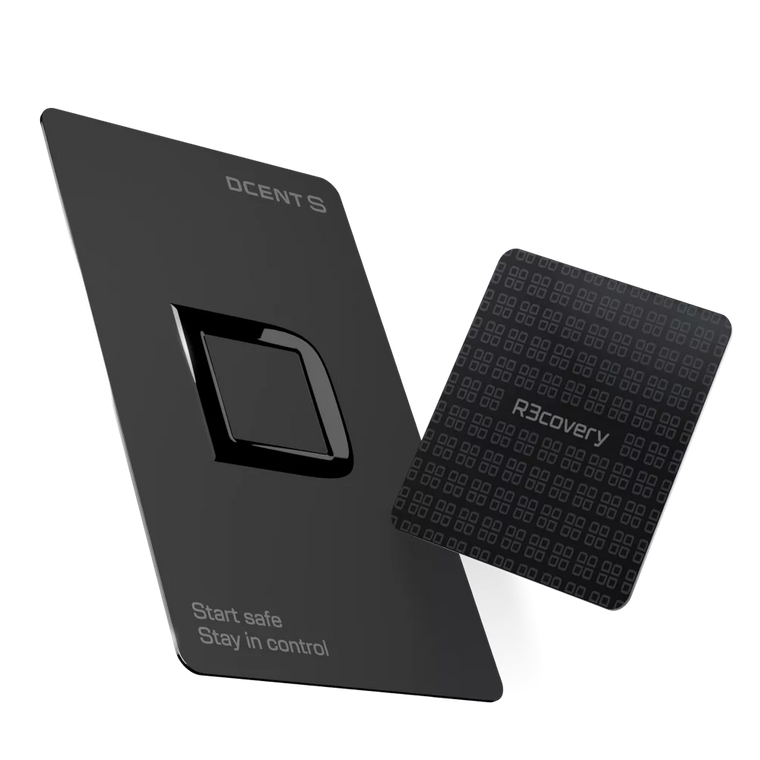
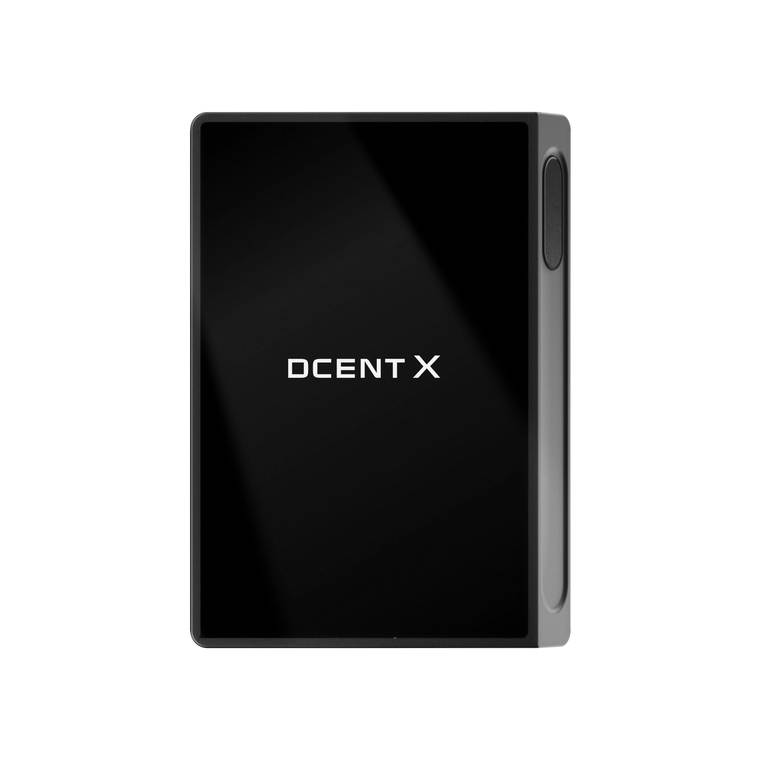
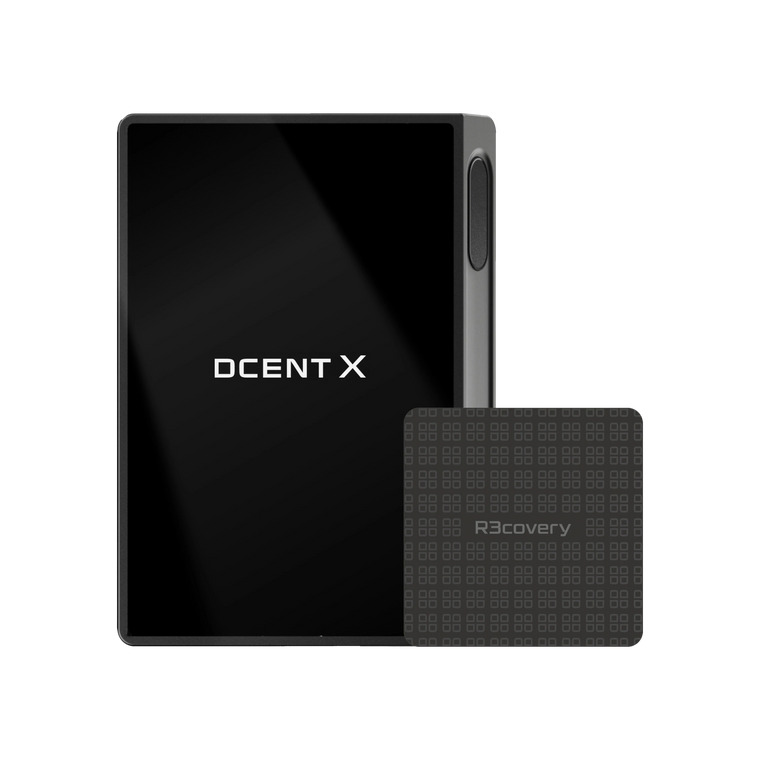
Here's something a lot of XLM holders run into: plenty of wallets list Stellar, but very few cold (hardware) wallets actually support what makes Stellar useful — its Trust Lines, its dApps, its swaps. D'CENT is one of the rare exceptions. It supports XRP completely and goes all-in on Stellar, too.
Add it up and you get something genuinely uncommon: a hardware wallet where both XRP and XLM are first-class citizens — store them, run their dApps, manage Trust Lines, swap across chains, and step into XRPFi and XLMFi — all while your private keys never leave your D'CENT device.
💡 One wallet, both ecosystems. Keep your XRP and your XLM together in self-custody, run their apps, and be ready for vaults on both sides — keys never leaving your device.
7. So Which One Should You Hold?
This is the question everyone really wants answered, so let's be straight: there's no universal right answer, and this isn't financial advice. But here's a simple way to think about it.
- Lean XRP if you're drawn to the payments, liquidity, and regulated-dollar angle — Ripple, RLUSD, and XRPFi.
- Lean XLM if Stellar's path — from remittances and real-world access to a fast-growing RWA and DeFi platform — resonates more with you.
- Hold both if you find both directions compelling and don't want to bet on a single one. Since they do different jobs, plenty of people keep both.
Whatever you decide, the more important question is usually where you hold it, not just which one. A coin you don't truly control — and can't actually use — isn't doing much for you.
❓ Frequently Asked Questions
Q1. Are XRP and XLM the same coin?
No. They're separate coins on separate networks (XRP on the XRP Ledger, XLM on Stellar). They share a starting point, which is why they can feel related, but today they do different jobs and have different ecosystems.
Q2. Why do XRP and XLM keep getting compared?
Because their starting points overlap. Jed McCaleb helped create the XRP Ledger, then co-founded Stellar, so both ended up fast, low-cost, and using comparable concepts like Trust Lines and a built-in DEX. After that they diverged — XRP toward payments and liquidity, Stellar toward a programmable platform for RWA and DeFi.
Q3. Can I earn yield on XRP or XLM?
Neither uses classic staking, but both have on-chain earning through DeFi. XRPFi vaults are already live (and reachable in D'CENT), and Stellar's XLMFi side is arriving now, including a Sentora vault on the way. Earning always carries risk and is never guaranteed, so read the terms and do your own research.
Q4. Is Stellar really used by traditional finance?
It's increasingly heading that way. Tokenized real-world assets tied to major asset managers are issuing on Stellar, USDC and EURC are native there, and the DTCC selected Stellar to pilot tokenization work. It's still early, but the institutional interest is real.
Q5. Which is better, XRP or XLM?
Neither is universally "better." XRP leans payments and liquidity; Stellar leans into a fast-growing RWA/DeFi platform on top of its real-world access roots. The right pick depends on which job and ecosystem you believe in. This isn't investment advice, so do your own research.
Q6. Can I hold and actually use both XRP and XLM in a cold wallet?
Yes, with D'CENT. It's one of the very few hardware wallets that fully supports Stellar — dApps, Trust Lines, and cross-chain swaps — alongside complete XRP support. Your private keys stay on your own device the whole time.
🚀 The Short Version
XRP and XLM only share a starting point — today they're two networks doing different jobs. XRP grew into a payments and liquidity rail; Stellar grew into a programmable finance platform with RWA and DeFi on top. The newer chapter is that both are growing into real finance — stablecoins, tokenized real-world assets, and on-chain yield through vaults (XRPFi today, XLMFi next). You don't have to crown a winner. Decide which one speaks to you, or hold both — and keep them in a wallet that lets you actually use both. D'CENT is one of the only cold wallets that fully supports XRP and Stellar alike, with your keys never leaving your device.
📚 Related Reading
- What Is RLUSD? Ripple's Stablecoin Explained
- XRPFi Vaults Compared — Flare vs Doppler vs Soil
- Best XRP Wallet in 2026
💚 One wallet, both XRP and XLM.
Store, run dApps, manage Trust Lines, swap across chains, and step into XRPFi and XLMFi — keys never leaving your device.
Get the D'CENT Biometric Wallet →Trusted hardware wallet since 2018 · your keys, your call