






Key Answer: As of March 17, 2026, 16 major cryptocurrencies — including Bitcoin, Ethereum, and Solana — are officially digital commodities, not securities. But this doesn't make your crypto "safe" on exchanges. Here's what actually changed, what didn't, and the one step that matters most.

The 30-Second Summary
What you need to know
- 16 cryptos reclassified — BTC, ETH, SOL, XRP, and 12 more are now digital commodities under lighter CFTC oversight.
- Staking and airdrops clarified — no longer treated as securities transactions.
- Exchange risks haven't changed — hacks, insolvencies, and withdrawal freezes still happen regardless of classification.
- It's an interpretation, not law — the CLARITY Act must pass Congress to make this permanent.
So what should you actually do? Keep reading — the answer is simpler than you think.
What Did the SEC Just Do? (The 60-Second Explainer)
On March 17, 2026, the SEC and CFTC jointly declared 16 major cryptocurrencies are digital commodities — not securities. That single sentence is the biggest regulatory shift in US crypto history.
For years, holders worried their assets might be frozen, delisted, or restricted overnight because the SEC treated most tokens like unregistered securities. That cloud of uncertainty just got a lot smaller.
According to the official SEC press release and the CFTC's announcement, this joint interpretation provides a coherent taxonomy for digital commodities and clarifies how federal securities laws apply to crypto assets. As Fintech Weekly reported, it marks the most significant regulatory shift in US crypto policy since the early classification debates began.
Important caveat: this is an interpretation, not a law. Until the CLARITY Act passes through Congress, these rules can still be reversed or modified. Treat this as a strong signal, not a final answer.
What Is a "Digital Commodity"? (And Why It Matters)

A digital commodity is a crypto asset whose value comes from the operation of a functional blockchain system and supply-and-demand dynamics — not from expectations of investor profit. Under the March 2026 SEC/CFTC joint interpretation, digital commodities are regulated by the CFTC, not the SEC, resulting in a lighter regulatory framework for spot markets.
This is distinct from a security, which is defined by the Howey Test — a four-part framework from a 1946 Supreme Court case. If an asset involves an investment of money in a common enterprise with an expectation of profit from the efforts of others, it's a security and falls under heavy SEC oversight.
The official definition from the SEC/CFTC release:
"a crypto asset intrinsically linked to and deriving its value from the programmatic operation of a functional crypto system, as well as supply and demand dynamics, rather than from expectations of profit."
Why it matters: Securities require registration, disclosures, and ongoing SEC compliance. Digital commodities face lighter CFTC oversight. The result: reduced regulatory burden for exchanges listing these 16 assets, and clearer legal footing for millions of holders.
The 16 Cryptos Now Classified as Digital Commodities

The joint release explicitly names these 16 crypto assets as digital commodities:
These 16 assets represent the overwhelming majority of everyday crypto portfolios. The release also clarified that mining and staking across all four models (solo, self-custodial with third parties, custodial, and liquid staking) are administrative activities — not securities transactions. Freely distributed airdrops are excluded from securities law as they fail the Howey Test's first element (investment of money).
What This Means for Crypto Holders Like You
The news is genuinely positive. But let's be precise about what it does — and doesn't — change.
What it changes: exchanges listing these 16 assets face reduced risk of SEC enforcement actions; staking rewards and airdrops are on cleaner legal footing; the path toward mainstream crypto adoption gets clearer.
What it doesn't change: exchange-level risks remain — platform insolvencies, withdrawal freezes, hacks, and operational failures. The classification is an interpretation, not law. And holding assets on an exchange means you don't actually control the private keys. When your crypto sits on an exchange, you hold an IOU — not the asset itself. Even with cleaner regulations, exchanges can and do fail. The FTX collapse in 2022 wiped out billions in customer funds under existing law. Regulatory clarity reduces one type of risk, but it doesn't protect against the risks that come from not controlling your own keys.
Why Self-Custody Matters More Than Ever in 2026

Clearer regulation often draws more institutional money into crypto. More institutional money means higher stakes. Higher stakes mean more sophisticated attacks on exchanges and individual wallets.
Self-custody — holding your own private keys in a hardware wallet — means:
- No exchange counterparty risk: Your assets aren't affected if an exchange freezes withdrawals, gets hacked, or files for bankruptcy.
- Full control: Only you can authorize transactions, regardless of what any regulator decides.
- Regulatory insulation: Your self-custodied assets aren't subject to exchange-level regulatory actions.
As the Ethereum Foundation's official security guidance notes, hardware wallets are among the most effective tools for securing long-term crypto holdings against both online and physical attacks.
The principle is simple: your keys, your crypto. Not your keys, not your crypto.
This isn't fear — it's the practical conclusion of regulatory clarity. The rules are getting cleaner. That means the responsibility for protecting your assets becomes even more yours.
How to Choose a Hardware Wallet for the New Regulatory Era

Not all hardware wallets are built the same. With 16 major assets now clearly classified as digital commodities, you want a wallet that can hold all of them — and protect them with bank-grade security. Here's what to look for:
- Security Chip Rating (CC EAL5+): The same standard used in passport microchips and banking smartcards. Indicates the chip has passed rigorous penetration testing and third-party verification.
- Multi-Chain Coverage: Your wallet should support all 16 regulated assets plus the broader ecosystem — look for 100+ blockchain networks.
- Clear Signing: A good hardware wallet shows you the exact recipient address, amount, and network on its own screen before you confirm. Blind signing is one of Web3's biggest security risks.
- Biometric Authentication: Fingerprint authentication tied to a hardware-isolated secure element raises the bar significantly over PIN codes alone.
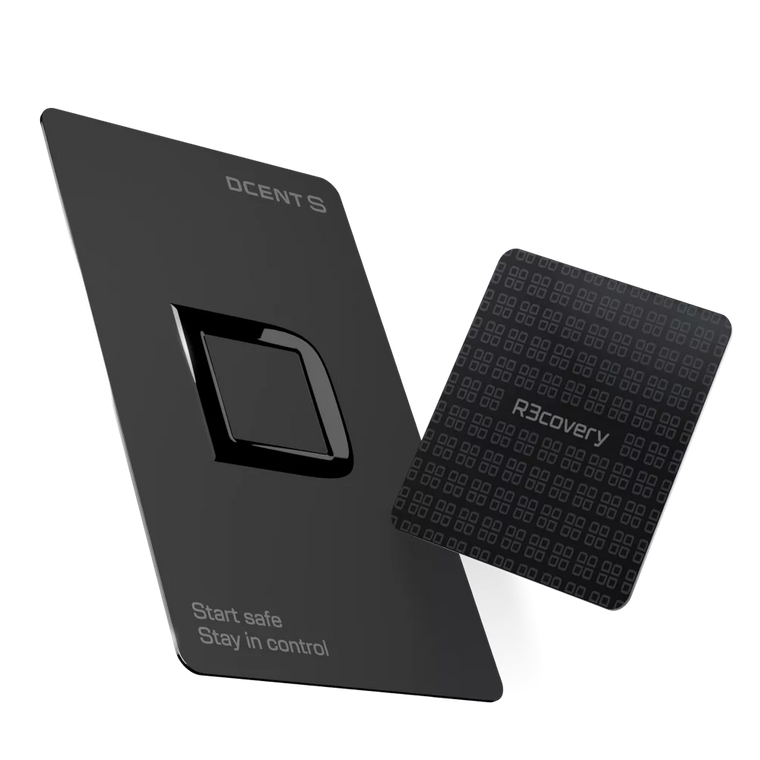
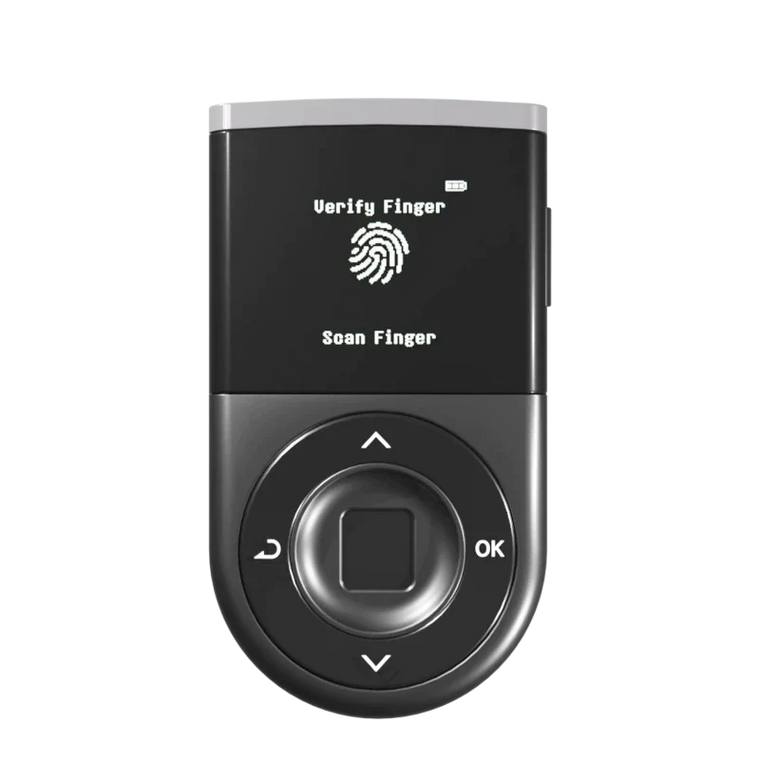
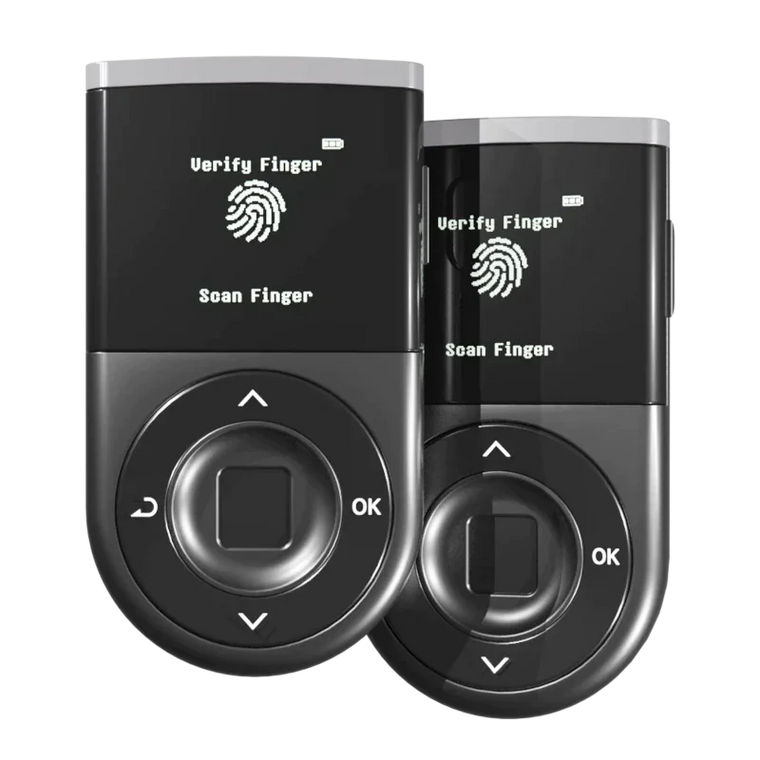
D'CENT Biometric Wallet is built specifically for this environment:
- EAL5+ Secure Element (ST33 chip): The same chip used in passports and bank cards. Private keys are encrypted inside the chip and never leave it — even firmware cannot access them.
- 0 security breaches since 2018: A track record that speaks for itself.
- 100+ blockchain networks supported: Every one of the 16 newly classified digital commodities, plus 4,800+ assets across the entire crypto ecosystem.
- 0.5-second fingerprint authentication: Fast enough to use daily, secure enough that it can't be bypassed by software attacks.
- WYSIWYS (What You See Is What You Sign): D'CENT's trusted clear signing shows you exactly what you're authorizing on the device screen — not on your potentially compromised phone. No blind signing.
- Blockaid real-time threat detection: Before you sign, Blockaid's threat intelligence engine simulates the transaction outcome and flags malicious contracts, phishing addresses, and honeypot tokens across 50+ chains.
A hardware wallet significantly reduces the risk of key theft — but no wallet eliminates all risk. If you sign a malicious transaction, the wallet cannot reverse it. Approval-based phishing attacks remain a real threat even with hardware wallets. The final layer of security is always your own attention.
Ready to take full control of your digital commodity assets?
D'CENT Biometric Wallet — all 16 regulated assets, EAL5+ security, 0.5s fingerprint unlock, 100+ chains.
Common Mistakes Crypto Holders Make After Regulation Changes
Regulatory good news has a habit of making people less careful, not more. Here are the mistakes that follow every "crypto win":
1. Assuming the exchange is now "safe" because regulation is clearer
Regulatory clarity reduces one type of risk. It doesn't protect you from exchange insolvencies, hacks, or withdrawal freezes. The risk profile of keeping assets on an exchange hasn't fundamentally changed.
2. Moving everything to one wallet without testing the recovery phrase first
Always test your recovery phrase (the 24-word seed phrase) on a blank device before storing significant funds. If you can't restore the wallet, you can't access your funds.
3. Storing the recovery phrase digitally
Your recovery phrase should never be saved as a photo, in a cloud note, or in a password manager. Write it on paper and store it offline — ideally in a fireproof, waterproof location. Digital copies are single points of failure.
4. Thinking "digital commodity" status means price stability
Commodity classification is a legal category, not a price forecast. These assets remain volatile. Diversify and only hold what you're prepared to manage long-term.
5. Skipping firmware updates
Security patches matter. Check for firmware updates regularly and apply them as soon as they're available. D'CENT supports OTA (over-the-air) updates that preserve your wallet data.
6. Buying second-hand hardware wallets
Never use a hardware wallet that someone else has previously set up. There's no way to verify it hasn't been tampered with. Always buy directly from the manufacturer or an authorized retailer.
5-Step Self-Custody Setup After the SEC Rule Change
Use this checklist when moving your digital commodity holdings into self-custody:
- Step 1: Purchase a hardware wallet directly from the official source — never second-hand. For D'CENT, buy from store.dcentwallet.com.
- Step 2: Generate your wallet and write down your 24-word recovery phrase on paper. Store it offline in a secure location. Never photograph it or type it anywhere.
- Step 3: Test recovery before sending significant funds. Restore the wallet on a second device using the recovery phrase to confirm it works.
- Step 4: Withdraw your digital commodity assets from exchanges to your hardware wallet address — one small test transaction first, then the full amount.
- Step 5: Check firmware updates and configure security settings (fingerprint enrollment, auto-lock, etc.). Set a monthly reminder to check for updates.
Frequently Asked Questions About SEC Crypto Regulation 2026
Is Bitcoin a security or a commodity in 2026?
Bitcoin is a digital commodity, not a security, under the March 2026 SEC/CFTC joint interpretation. This reduces the likelihood of SEC enforcement actions against exchanges trading BTC. However, this is an interpretation, not permanent law — the CLARITY Act must pass Congress to lock in the classification.
Does the SEC digital commodity ruling make crypto on exchanges safe?
No. The classification reduces regulatory uncertainty, but it does not protect you from exchange hacks, insolvencies, or withdrawal freezes. Only self-custody through a hardware wallet removes exchange counterparty risk.
Are crypto staking rewards tax-free after the 2026 SEC ruling?
No. The SEC/CFTC classification addresses whether staking constitutes a securities transaction — it does not change tax treatment. Staking rewards remain taxable income in the US. Consult a tax professional for your specific situation.
What is the CLARITY Act and when will it pass?
The CLARITY Act is pending Congressional legislation that would codify digital commodity classifications into permanent US law. It passed the House in July 2025 and cleared the Senate Agriculture Committee in January 2026. Until it passes both chambers, the SEC/CFTC interpretation can be revisited or reversed by future administrations.
Which hardware wallet supports all 16 SEC-classified digital commodities?
D'CENT Biometric Wallet supports all 16 assets named in the joint release (BTC, ETH, SOL, XRP, DOGE, ADA, AVAX, LINK, DOT, HBAR, LTC, BCH, SHIB, XLM, XTZ, APT), plus 4,800+ additional tokens across 100+ blockchain networks.
Can a hardware wallet be hacked?
A hardware wallet significantly reduces the risk of private key theft, but it does not eliminate all risk. If you sign a malicious transaction — for example, in an approval-based phishing attack — the wallet cannot prevent the loss. Always verify transaction details on the device screen before signing.
What happens to my crypto if I lose my hardware wallet?
Your crypto is not lost. It is secured by your private keys, which are backed up by your 24-word recovery phrase. If you lose the device, restore your wallet on a new one using the recovery phrase. This is why offline, secure storage of the recovery phrase is essential.
Does the 2026 SEC regulation affect DeFi or NFTs?
Not directly. The current interpretation focuses on the 16 named assets. DeFi protocols, NFTs, and tokens not explicitly named remain in a regulatory gray area and may face separate scrutiny. Stay updated through official SEC and CFTC communications.
Sources & References
- U.S. Securities and Exchange Commission — "SEC Clarifies Application of Federal Securities Laws to Crypto Assets" (March 17, 2026)
- U.S. Commodity Futures Trading Commission — Joint Interpretive Release on Digital Commodities (March 17, 2026)
- Fintech Weekly — "SEC: Bitcoin, Ether, Solana Are Digital Commodities, Not Securities" (March 2026)
- Ethereum Foundation — Official Security Guidance for Crypto Holders
Self-Custody Starts Here
The Only Hardware Wallet with Fingerprint + Threat Detection for All 16 Regulated Assets
100+ blockchains · 4,800+ tokens · EAL5+ Secure Element · Blockaid real-time scanning · 0.5s fingerprint unlock · Bluetooth + USB-C · Zero breaches since 2018
See D'CENT Biometric Wallet →