






Key Answer: A smart contract is a self-executing program stored on a blockchain that automatically carries out agreed-upon actions when specific conditions are met -- no middleman required. However, "self-executing" does not mean "self-correcting": once deployed, a smart contract runs exactly as coded, including any bugs or vulnerabilities, so users should always verify transaction details before signing.
Executive Summary
- Blockchain Automation: A smart contract is code stored on a blockchain that runs automatically when predefined conditions are triggered -- think of it as a vending machine for digital agreements
- DeFi Backbone: Smart contracts power the DeFi ecosystem: token swaps on Uniswap, lending on Aave, NFT sales on OpenSea, and much more
- Token Approval Risks: When you interact with a DeFi protocol, you often grant token approvals (permissions for the contract to spend your tokens) -- this is a common attack vector for scams
- Not Bug-Free: Smart contracts are transparent and auditable, but they are not bug-free -- exploits and coding errors have led to billions of dollars in losses
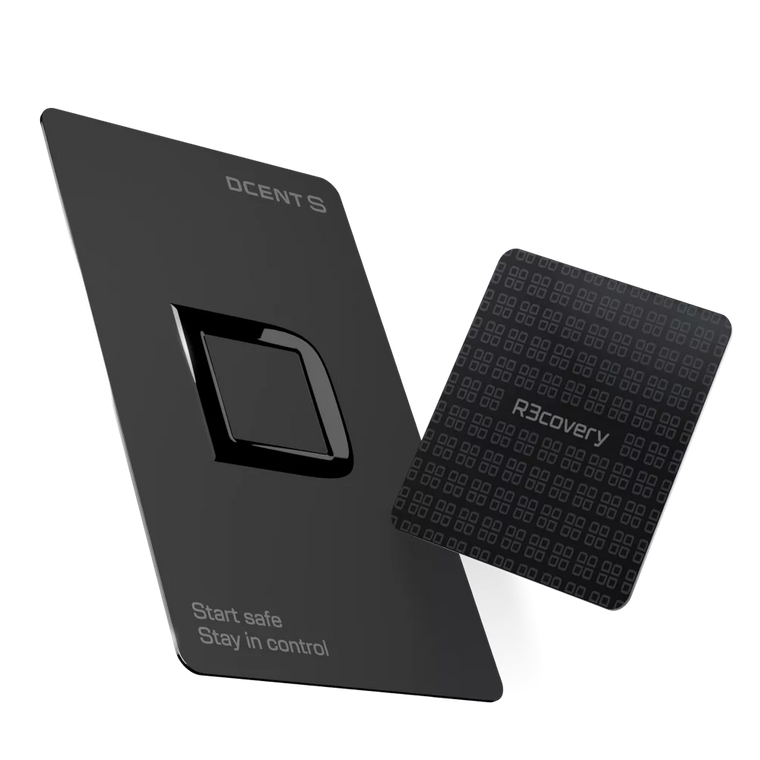
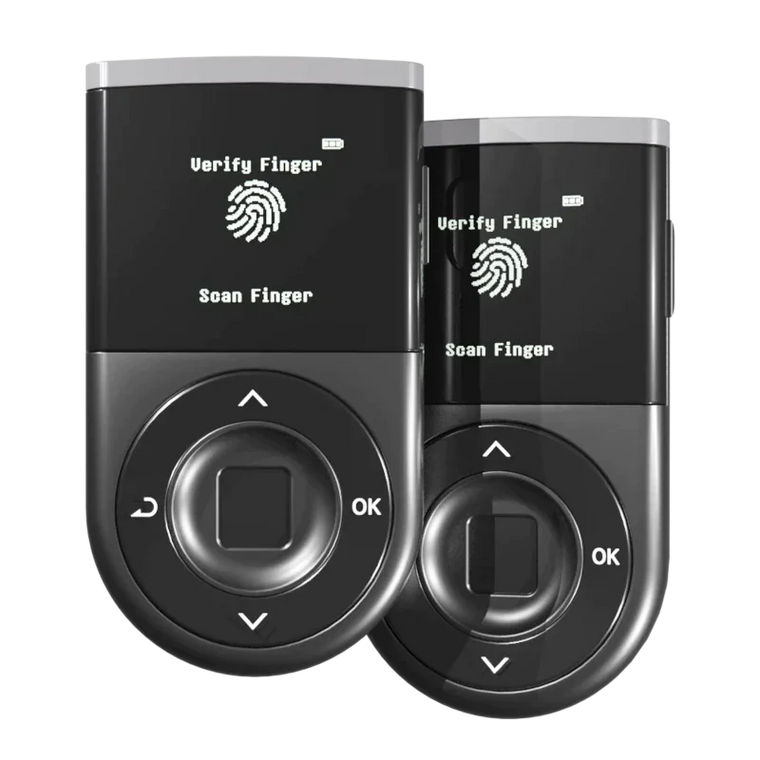
- Clear Signing Protection: A hardware wallet with clear signing (like D'CENT) helps you see exactly what a smart contract is asking you to approve before you confirm
Why Do Smart Contracts Matter?

Think about the last time you bought something online. You paid, the platform held your money, and the seller shipped the item. If something went wrong, you relied on the platform to resolve the dispute. The entire process depended on trusting the middleman.
Smart contracts remove that dependency. They act as automated, neutral enforcers of agreements. When conditions are met, the contract executes. When they are not, it does not. No one can change the rules after the fact.
This might sound abstract, so here is a concrete example. In 2025 alone, decentralized exchanges (DEXs) powered by smart contracts processed over $1 trillion in trading volume, according to The Block's data dashboard. That is real money flowing through automated code -- not through banks or brokers.
The reason this matters for you: if you hold cryptocurrency, you are already interacting with smart contracts (or will be soon). Understanding what they do -- and what can go wrong -- is a practical necessity.
What Exactly Is a Smart Contract?
The Vending Machine Analogy

The simplest way to understand a smart contract is to think of a vending machine.
- You insert the correct amount of money (input)
- You select a product (condition)
- The machine dispenses the item (automatic execution)
No cashier is involved. No negotiation. The machine follows its programmed rules every single time. A smart contract works the same way, except instead of snacks, it handles digital assets, permissions, and agreements on a blockchain.
The term "smart contract" was coined by computer scientist Nick Szabo in 1994. He used the vending machine analogy himself: a machine that takes in inputs and enforces the terms of a transaction without human intervention.
From Bitcoin's Limits to Ethereum's Breakthrough
Bitcoin introduced blockchain, but its scripting language is intentionally simple. It can handle basic transactions ("send X amount to Y address"), but it cannot run complex logic.
This limitation inspired Vitalik Buterin to propose Ethereum in 2013 and launch it in 2015 -- a blockchain designed specifically to run smart contracts. As Ethereum's official documentation describes, Ethereum smart contracts are programs that run on the Ethereum Virtual Machine (EVM), a decentralized computing environment shared across all network nodes (the individual computers participating in the network).
Today, smart contracts run on many blockchains beyond Ethereum, including BNB Chain, Polygon, Arbitrum, and Solana (which uses a different architecture but achieves similar results).
Why Are They Called "Smart"?
The word "smart" can be misleading. Smart contracts are not intelligent -- they do not think, learn, or adapt. They are "smart" in the sense that they are digital and self-executing. Once deployed on the blockchain:
- They execute exactly as coded
- No one can alter the code after deployment (immutability)
- Anyone can inspect the code (transparency)
- They run without a central operator
This combination of automation and immutability is what gives smart contracts their power -- and their risk.
How Do Smart Contracts Work in Practice? Real-World Examples
Let's move beyond theory. Here is what smart contracts actually do right now, in applications you can use today.
Token Swaps (Uniswap)
When you swap ETH for USDC on Uniswap, you are not placing an order with a company. You are interacting directly with a smart contract. The contract:
- Receives your ETH
- Calculates the exchange rate using a mathematical formula (called an Automated Market Maker, or AMM -- an algorithm that automatically determines token prices based on the ratio of tokens available in the pool)
- Sends USDC to your wallet
- Completes the swap in a single transaction
No sign-up. No identity check. No intermediary holding your funds. The entire process is handled by code.
Lending and Borrowing (Aave)
On Aave, smart contracts manage an entire lending market:
- Depositors supply tokens to a lending pool and earn interest automatically
- Borrowers lock collateral (usually worth more than the loan) and borrow other tokens
- If a borrower's collateral drops below a set threshold, the smart contract automatically liquidates the position to protect lenders
There is no loan officer. No credit check. No waiting period. The smart contract enforces every rule programmatically.
NFT Marketplaces (OpenSea)
When you buy an NFT on OpenSea, a smart contract handles the exchange: your payment goes in, the NFT transfers to your wallet. The same contract can also enforce creator royalties -- automatically sending a percentage of every resale back to the original artist.
Insurance Protocols
Some protocols use smart contracts for parametric insurance. For example, a crop insurance smart contract might automatically pay out if an oracle (an external data service that delivers real-world information -- such as weather or price data -- to smart contracts on the blockchain) reports that rainfall in a specific region dropped below a certain level. No claims process. No paperwork. No adjuster.
Token Approvals: The Hidden Permission You Need to Understand

This is one of the most important -- and most overlooked -- aspects of using smart contracts.
What Is a Token Approval?
Before a smart contract can move tokens from your wallet, you must give it explicit permission. This is called a token approval (also known as an allowance). When you use Uniswap, Aave, or any DeFi protocol for the first time, you will typically see a transaction asking you to "Approve" the contract to spend a specific token.
Why This Matters for Security
Here is the problem: many DeFi interfaces request unlimited approvals by default. This means the smart contract has permission to spend an unlimited amount of that token from your wallet -- not just the amount you are trading right now, but your entire balance, indefinitely.
If that contract is later exploited, or if you accidentally approved a malicious contract, an attacker can drain your tokens without any further action from you.
According to Chainalysis' 2024 Crypto Crime Report, approval-based phishing (tricking users into signing malicious approvals) was one of the fastest-growing attack vectors in 2023 and 2024.
How to Protect Yourself

- Set custom approval amounts. When approving a token, manually change the amount to only what you need for that specific transaction. Most wallet interfaces allow this.
- Revoke old approvals. Use tools like Revoke.cash to review and revoke token approvals you no longer need.
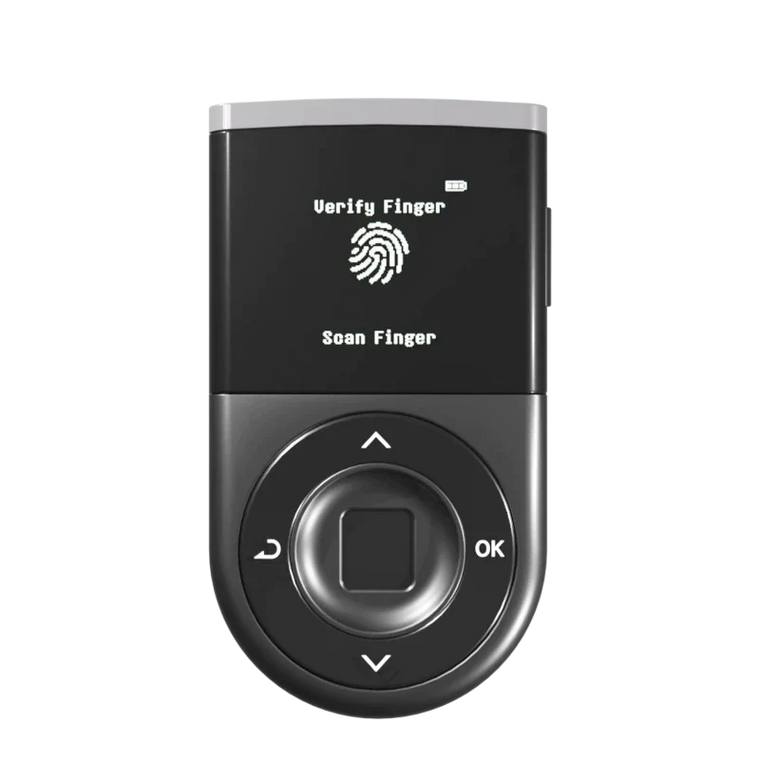
- Use a hardware wallet with clear signing. D'CENT's transaction signing screen shows you the details of what you are approving -- the contract address, the token, and the amount -- so you can verify before confirming. This does not make approvals risk-free, but it significantly reduces the chance of signing something you did not intend.
Common Mistakes and Risks to Watch

Smart contracts are powerful, but they carry real risks. Here are the most common pitfalls.
Signing unlimited token approvals without checking
As described above, unlimited approvals leave your tokens exposed indefinitely. Always review the approval amount and set a custom limit when possible.
Assuming "audited" means "safe"
An audit is a code review by a security firm, not a guarantee. Many audited protocols have still been exploited. An audit reduces risk; it does not eliminate it.
Interacting with unverified contracts
Phishing sites often create fake versions of popular DeFi protocols. If you connect your wallet to a malicious website and approve a transaction, the attacker's smart contract can drain your funds. Always verify you are on the official URL.
Ignoring transaction details on the signing screen
When your wallet asks you to sign a transaction, the details matter. If the contract address, token, or amount looks unfamiliar, stop and verify before signing. D'CENT's DApp browser displays these details clearly, but the final decision is always yours.
Thinking smart contracts can be "fixed" after deployment
Traditional smart contracts are immutable -- once deployed, the code cannot be changed. Some newer contracts use upgradeable proxy patterns (a design that allows the original code to be replaced with a new version -- adding flexibility but also requiring trust that the team won't introduce malicious changes). In either case, bugs deployed to the blockchain tend to stay there.
Smart Contract Safety Checklist
- ☐ Understand that a smart contract executes exactly as coded -- it does not protect you from your own mistakes
- ☐ Before interacting with any DeFi protocol, verify the official website URL (bookmark it)
- ☐ Set custom token approval amounts instead of accepting unlimited defaults
- ☐ Review and revoke unused token approvals monthly using tools like Revoke.cash
- ☐ Read the transaction signing screen carefully -- check the contract address, token, and amount
- ☐ Prefer protocols that have been audited by reputable security firms (but remember: audited does not mean risk-free)
- ☐ Keep your hardware wallet firmware updated and apply security patches immediately
- ☐ Never approve a transaction you do not fully understand -- when in doubt, reject and research
- ☐ Use D'CENT's DApp browser for built-in transaction clarity when interacting with smart contracts
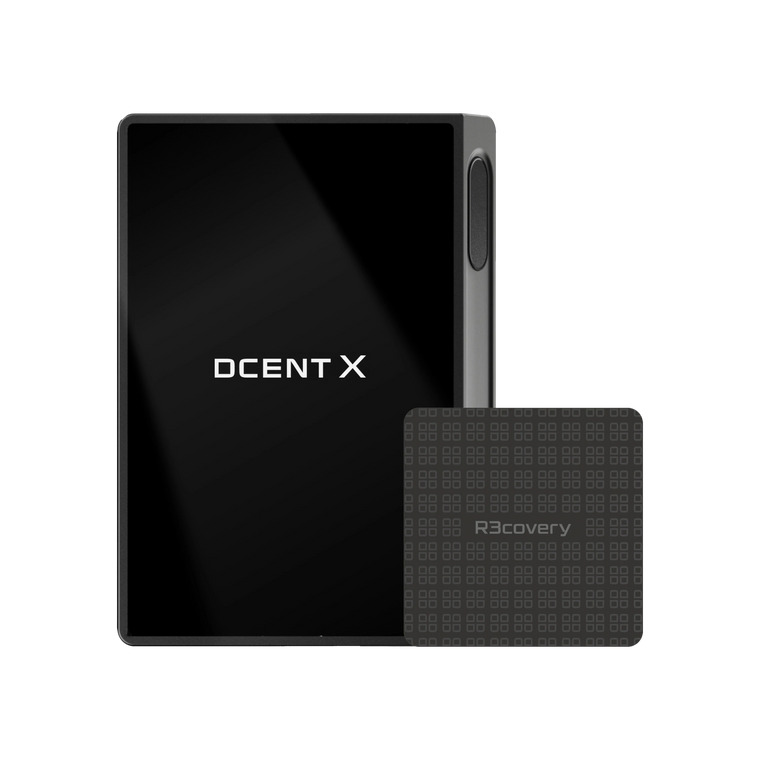
- ☐ Back up your Recovery Phrase (= seed phrase) offline and never enter it on any website or app
FAQ
Q1: Is a smart contract the same as a regular contract?
A: Not exactly. A traditional contract is a legal agreement enforced by courts. A smart contract is a program enforced by code on a blockchain. Smart contracts execute automatically based on predefined rules, but they do not have legal standing in most jurisdictions -- though some countries are beginning to recognize them.
Q2: Can a smart contract be hacked?
A: Smart contracts can have bugs or vulnerabilities that attackers exploit. The blockchain itself is not "hacked" -- the exploit targets flaws in the contract's code. This is why code audits, formal verification, and caution with new protocols are important. No smart contract should be assumed to be free of bugs.
Q3: What is a token approval, and why should I care?
A: A token approval grants a smart contract permission to move a specific token from your wallet. If you grant unlimited approval to a compromised or malicious contract, it can drain your balance. Always set custom approval amounts and revoke approvals you no longer need.
Q4: Do I need ETH to use smart contracts on Ethereum?
A: Yes. Every interaction with a smart contract on Ethereum requires a gas fee, paid in ETH. The gas fee compensates the network validators who process your transaction. Gas fees fluctuate based on network demand.
Q5: Can I cancel a smart contract transaction after signing?
A: Once a transaction is confirmed on the blockchain, it is irreversible. If the transaction is still pending (not yet confirmed), you may be able to replace it with a higher-fee transaction, but this is not guaranteed. This is why verifying details before signing is so important.
Q6: Are smart contracts only on Ethereum?
A: No. Smart contracts run on many blockchains, including BNB Chain, Polygon, Arbitrum, Avalanche, and others. Solana uses a different technical approach but achieves similar programmable functionality. D'CENT's DApp browser supports multiple blockchain networks.
Q7: How can I check what a smart contract does before interacting with it?
A: On Ethereum, you can view verified contract source code on Etherscan. If the code is not verified (not publicly readable), that is a warning sign. For non-technical users, checking whether the protocol has been audited and reading the audit report summary is a practical alternative.
Q8: What is "clear signing" and why does it matter?
A: Clear signing means your wallet displays human-readable transaction details (contract address, function being called, token amounts) instead of raw data. This helps you understand what you are actually approving. D'CENT supports clear signing so you can review the key details of smart contract interactions before confirming.