




Key Answer: Coin burning, DAOs, staking, airdrops, gas fees, and governance tokens are six foundational crypto terms every beginner should learn before buying, holding, or using digital assets. Understanding these terms helps you navigate blockchain projects more safely, but always verify claims and risks independently -- and remember that even a hardware wallet cannot prevent losses if you sign a malicious transaction or fall for an approval-based phishing (Approval) attack.
Executive Summary
- Coin Burning: Permanently removes tokens from circulation, often to manage supply and support long-term value
- DAOs: Decentralized Autonomous Organizations let token holders vote on project decisions without a traditional management hierarchy
- Staking: Locking up your crypto to help secure a network and earning rewards in return
- Everyday Terms: Airdrops, gas fees, and governance tokens are terms you will encounter the moment you interact with any blockchain
- Critical Awareness: Understanding these terms helps you evaluate projects more critically and avoid common mistakes
What Is Coin Burning?

Coin burning is the process of permanently removing cryptocurrency tokens from circulation by sending them to a wallet address that no one can access. Once tokens arrive at this "burn address," they are gone forever -- no one holds the private key to spend them, and the blockchain records the transaction publicly so anyone can verify it.
Think of it like shredding a paper banknote: the physical note no longer exists, and the total supply of money in circulation decreases by that amount.
Why do projects burn tokens?
Projects burn tokens for three main reasons:
1. Increasing scarcity
When a project reduces the total supply of its token, each remaining token represents a larger share of the whole. This is basic supply-and-demand economics. Binance, for example, has conducted quarterly BNB burns since 2017, permanently removing tokens based on trading volume. By early 2026, Binance had burned over 50 million BNB tokens through its Auto-Burn program, according to CoinDesk's BNB burn coverage.
2. Ensuring fairness after fundraising
During an ICO (Initial Coin Offering), a project might not sell all of its tokens. Rather than letting the founding team profit from unsold supply, some projects burn the remaining tokens. This prevents the foundation from holding disproportionate influence over the market.
3. Enabling token transitions
When a project migrates from one blockchain to another -- say, from Ethereum to its own mainnet -- it may burn the old tokens after issuing new ones to prevent double-counting.
How does coin burning work?
The exact method depends on whether you are dealing with a coin (which runs on its own blockchain) or a token (which runs on someone else's blockchain):
- For coins: A small number of blockchains use a relatively rare mechanism called Proof of Burn, where miners send coins to a verifiable unspendable address to earn the right to validate new blocks
- For tokens: The project sends tokens to a burn address -- typically 0x000...dead on Ethereum -- where they remain visible on the blockchain but permanently inaccessible
The transparency of blockchain means every burn event is publicly verifiable. You can check the burn address on any block explorer and confirm exactly how many tokens have been removed.
Real-world examples (2024-2026)
Ethereum's EIP-1559 burn mechanism
Since August 2021, Ethereum has burned a portion of every transaction fee (the "base fee") instead of paying it entirely to validators. According to Ethereum.org's documentation on gas and fees, this mechanism has burned millions of ETH, occasionally making Ethereum deflationary when burn rates exceed new issuance.
BNB quarterly burns
Binance uses its Auto-Burn formula to calculate how many BNB tokens to burn each quarter, based on the token's price and the number of blocks produced. The goal is to reduce total supply to 100 million BNB over time.
Shiba Inu community burns
The Shiba Inu community has organized burn initiatives where holders voluntarily send SHIB tokens to dead addresses. While individual contributions are small relative to the total supply, the collective effort has burned trillions of SHIB tokens since 2021.
Note: Coin burning does not guarantee a price increase. Supply reduction is only one factor among many that influence a token's market value. Always evaluate a project's fundamentals, team, and utility before making decisions based on burn events alone.
What Is a DAO?

A DAO -- Decentralized Autonomous Organization -- is an organization governed by its members through blockchain-based voting rather than by a CEO, board of directors, or government body. Three words define it:
- Decentralized: No single person or group holds ultimate authority
- Autonomous: Rules are encoded in smart contracts (self-executing programs on a blockchain) that run automatically
- Organization: It is still a coordinated group of people working toward shared goals
In practice, if you hold a DAO's governance token, you can propose changes and vote on them. The smart contract tallies the votes and executes the decision -- no middleman required.
How do DAOs work?
1. A proposal is submitted -- Any token holder (or sometimes a group meeting a threshold) can submit a proposal. This might be a treasury allocation, a protocol upgrade, or a partnership decision.
2. Token holders vote -- Each governance token typically equals one vote. Voting happens on-chain or through snapshot-based systems where token balances are recorded at a specific block.
3. The smart contract executes -- If the proposal passes the required quorum and approval threshold, the smart contract automatically carries out the decision.
Real examples in action:
- MakerDAO governs the DAI stablecoin. MKR token holders vote on critical parameters like collateral types and stability fees that determine how DAI maintains its peg.
- Uniswap governance allows UNI holders to vote on fee structures, treasury grants, and protocol upgrades for the largest decentralized exchange by volume.
- Arbitrum DAO manages the ARB token treasury and oversees the development of the Arbitrum Layer 2 network, with hundreds of proposals voted on since its 2023 launch.
- ConstitutionDAO (2021) remains a famous example: thousands of strangers pooled approximately $47 million to bid on a rare copy of the U.S. Constitution at Sotheby's. Although they lost the auction, it demonstrated the power of decentralized coordination.
DAOs vs traditional organizations
Traditional Corporation: Decision-making by board of directors / CEO; limited shareholder participation; moderate speed; limited transparency; legal contract enforcement; high entry barrier (buy shares / get hired).
Government: Decision-making by elected officials / bureaucracy; citizen participation through periodic elections; slow speed; moderate transparency; law enforcement; citizenship required.
DAO: Decision-making by token holder votes; any token holder can participate on an ongoing basis; fast speed (proposals can resolve in days); high transparency (all votes on-chain); smart contract enforcement (automatic); low entry barrier (buy or earn governance tokens).
The challenges of DAOs
DAOs are not without real limitations:
- Concentration risk: If a small number of wallets hold the majority of governance tokens, they can dominate every vote. A holder with 50%+ of tokens effectively controls the organization, undermining the "decentralized" premise.
- Declining participation: Many DAO members stop voting after the initial excitement fades. Low voter turnout means a small, active minority makes decisions for the entire community.
- Mob rule and short-termism: When decisions are made by majority vote without expert guidance, the result can favor short-term gains over long-term sustainability.
- Legal ambiguity: Most legal systems do not fully recognize DAOs, creating uncertainty around liability, taxation, and disputes.
The future likely involves hybrid models -- DAOs that combine decentralized voting with elected councils or professional committees to balance speed, expertise, and democratic participation.
More Essential Crypto Terms
Staking

Staking is the process of locking up your cryptocurrency in a blockchain network to help validate transactions and secure the network. In return, you earn rewards -- similar in concept to earning interest on a savings account, though the mechanics and risks are very different.
Staking powers blockchains that use Proof of Stake (PoS) consensus, including Ethereum, Solana, Cardano, and Polkadot. Instead of miners competing to solve computational puzzles (as in Proof of Work), PoS networks select validators based on how many tokens they have staked. As of early 2025, Ethereum's transition to PoS had brought over 34 million ETH into staking, as tracked by Ethereum.org's staking documentation.
How it works in practice: You delegate or lock your tokens through a wallet or staking platform. Your tokens help secure the network, and you receive periodic rewards proportional to your stake. Most staking arrangements have an "unbonding period" -- a waiting time before you can withdraw your tokens after unstaking.
What to watch out for: Staking is not risk-free. Token prices can fall while your assets are locked. Some networks penalize validators for downtime or misbehavior through "slashing," which can reduce your staked amount. Always research the specific network's staking conditions before committing.
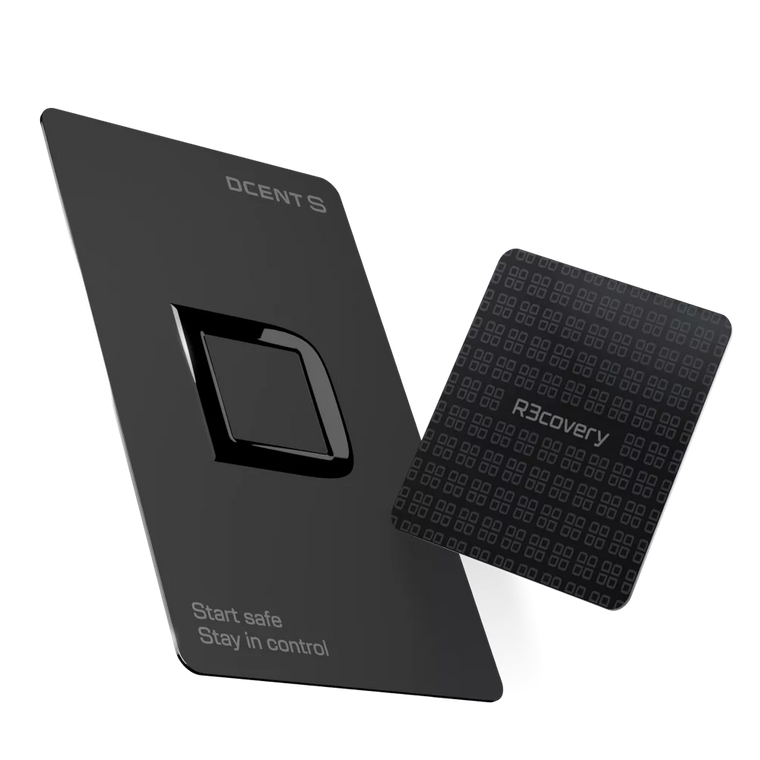
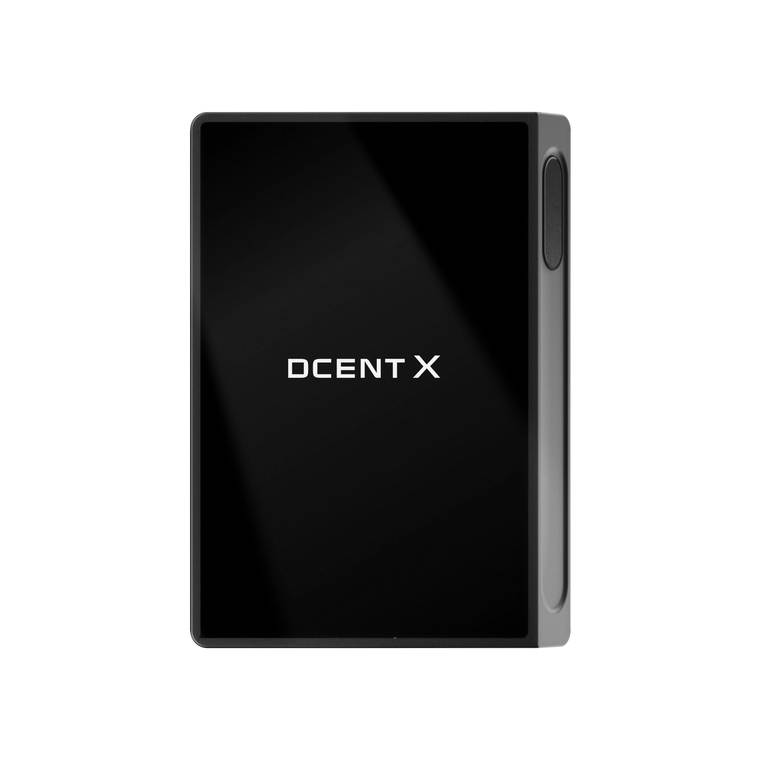
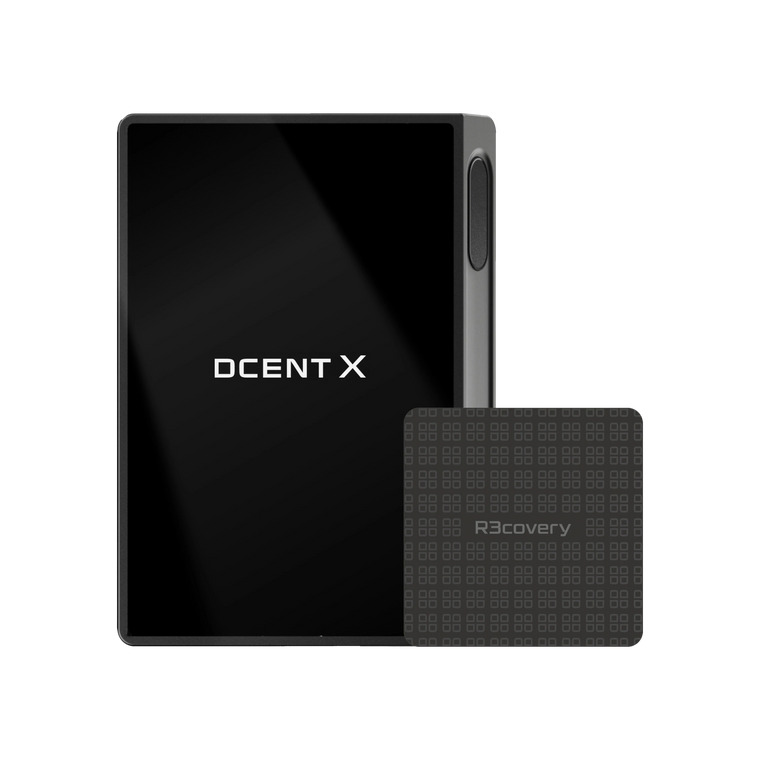
D'CENT Wallet supports staking features for certain networks, allowing you to participate in staking directly from the wallet interface without transferring your assets to a third-party platform. While D'CENT keeps your private keys safely offline, always verify staking transaction details on your device screen before confirming -- the wallet protects your keys, but the decision to sign is yours.
Airdrop

An airdrop is a distribution of free tokens sent directly to wallet addresses, usually as a marketing strategy, community reward, or way to bootstrap a new network's user base.
Projects use airdrops for several reasons: to reward early users, to distribute governance tokens widely, or to raise awareness for a new protocol. One of the most notable airdrops was Uniswap's 2020 distribution of 400 UNI tokens to every wallet that had used the platform -- worth over $1,000 at the time of distribution.
How to receive airdrops: Most legitimate airdrops are distributed automatically to wallets that meet certain criteria (like having used a protocol before a specific date). You typically do not need to take any action beyond having interacted with the project.
Critical safety warning: Never share your private key or Recovery Phrase to "claim" an airdrop. Scam airdrops are one of the most common phishing methods in crypto. According to Chainalysis's crypto crime research, phishing -- including fake airdrop schemes -- remains one of the top attack vectors targeting individual wallet holders. Legitimate airdrops never require you to connect to suspicious websites or approve unknown smart contracts. If something asks for your Recovery Phrase, it is a scam -- no exceptions.
Gas Fee

A gas fee is the cost you pay to process a transaction or execute a smart contract on a blockchain network. Think of it as a postage stamp for your transaction -- you pay a fee, and the network's validators deliver your transaction to the blockchain.
On Ethereum, gas is measured in gwei (a tiny denomination of ETH). The total cost depends on two factors: the gas limit (how much computational work the transaction requires) and the gas price (how much you are willing to pay per unit of gas, which fluctuates based on network demand).
When the network is congested -- for example, during a popular NFT mint or a sudden market spike -- gas fees can surge dramatically. During calmer periods, the same transaction might cost a fraction of the price. Layer 2 networks like Arbitrum and Optimism, as well as alternative blockchains like Solana and Polygon, offer significantly lower fees for many types of transactions.
Practical tip: Most wallets, including D'CENT, show estimated gas fees before you confirm a transaction. Always review this estimate, especially during high-traffic periods, to avoid paying more than expected.
Governance Token
A governance token gives its holder the right to vote on decisions that shape a blockchain protocol or decentralized application. It is the mechanism that makes DAOs possible.
Holding a governance token is somewhat like holding shares in a company -- except instead of voting at an annual shareholder meeting, you can participate in proposals and votes continuously through the blockchain. Common decisions include: how treasury funds are spent, which new features to develop, fee structures, and partnership agreements.
Notable governance tokens include UNI (Uniswap), MKR (MakerDAO), AAVE (Aave Protocol), and ARB (Arbitrum). The value of a governance token often reflects the health and activity of the protocol it governs.
Important distinction: Holding a governance token does not guarantee influence. If you hold a small percentage of the total supply, your individual vote carries proportionally less weight. Some protocols address this through delegated voting, where you can assign your voting power to a community member or expert you trust -- similar to giving someone a proxy vote at a shareholder meeting. The delegate votes on your behalf, but you can revoke the delegation at any time.
Quick Reference Table
Coin Burning: Permanently removing tokens from circulation by sending them to an inaccessible address. Affects the supply (and potentially the value) of tokens you hold.
DAO: An organization governed by token holder votes and smart contracts, not a central authority. You may participate in governance for projects whose tokens you hold.
Staking: Locking crypto to help secure a network in exchange for rewards. You can stake directly from wallets that support PoS networks.
Airdrop: Free token distribution to wallet addresses, usually as a reward or marketing effort. Legitimate airdrops land in your wallet automatically -- never share your keys to "claim" one.
Gas Fee: The cost to process a transaction on a blockchain network. Always check the estimated fee in your wallet before confirming a transaction.
Governance Token: A token that gives you voting rights over a protocol's decisions. Participating in governance gives you a voice in how a protocol evolves.
Common Mistakes to Avoid
Before diving deeper into staking, DAOs, or airdrops, be aware of these common beginner pitfalls:
Chasing high staking yields without checking risks
Some networks advertise very high staking APYs. Always check whether slashing penalties apply, how long the unbonding period lasts, and whether the token itself is volatile. High rewards often come with high risk.
Falling for fake airdrop claims
Scam airdrops ask you to connect to unknown websites, approve suspicious smart contracts, or share your Recovery Phrase. No legitimate airdrop ever requires your Recovery Phrase. If it asks for one, it is a scam -- no exceptions.
Ignoring gas fees before confirming transactions
During network congestion, gas fees can spike dramatically. Always review the estimated fee displayed in your wallet before confirming. A transaction that costs $2 during calm periods could cost $50 or more during peak demand.
Assuming DAO participation is risk-free
Governance tokens can lose value. Voting in a DAO does not guarantee the proposal outcome will be positive. Research proposals before voting, and be cautious of governance attacks where a small group acquires enough tokens to force through self-serving decisions.
Treating coin burns as guaranteed price catalysts
A token burn reduces supply, but it does not guarantee a price increase. Always evaluate the project's fundamentals, demand, and utility -- not just supply mechanics.
Important: A hardware wallet like D'CENT significantly reduces the risk of key theft by storing your private keys on a secure offline chip. However, a hardware wallet cannot protect you if you sign a malicious transaction or grant token approvals (Approval) to a compromised smart contract. Always verify transaction details on your device screen before confirming, and review your active token approvals regularly.
Crypto Beginner Safety Checklist
Use this checklist to protect yourself as you explore the terms and tools covered in this guide:
- ☐ Understand each term before acting -- Don't stake, provide liquidity, or participate in a DAO until you understand the mechanics and risks
- ☐ Store your Recovery Phrase offline -- Write it on paper or metal and keep it in a secure, fireproof location. Never store it digitally or share it with anyone
- ☐ Never share your private key or Recovery Phrase to "claim" an airdrop -- Legitimate airdrops never ask for this information
- ☐ Check gas fees before confirming any transaction -- Review the estimated cost in your wallet, especially during high-traffic periods
- ☐ Research staking conditions before locking tokens -- Check unbonding periods, slashing rules, and whether the token price is volatile
- ☐ Verify DAO proposals before voting -- Read the full proposal, check who submitted it, and consider whether it benefits the community long-term
- ☐ Review and revoke token approvals (Approval) monthly -- Use your wallet's approval management or tools like Revoke.cash to remove unnecessary permissions
- ☐ Be skeptical of unsolicited tokens in your wallet -- Scam tokens can appear as airdrops and trick you into interacting with malicious contracts
- ☐ Keep your hardware wallet firmware updated -- Apply security updates immediately when available
- ☐ Verify transaction details on your hardware wallet screen -- Check the recipient address, token, amount, and network before signing
FAQ
Q1: Does coin burning always increase a token's price?
A: Not necessarily. Burning reduces supply, which can support price over time, but price depends on many factors including demand, market sentiment, utility, and broader economic conditions. Never treat a burn event as an investment signal on its own.
Q2: Can a DAO make decisions without any human involvement?
A: Not entirely. Humans still write proposals, vote, and decide what the DAO should do. The smart contract automates the execution of those decisions, but the judgment and strategy behind them remain human.
Q3: Is staking the same as lending my crypto?
A: No. Staking locks your tokens on a blockchain to help validate transactions, and you retain ownership throughout. Lending involves giving your tokens to a third party (a platform or protocol) to lend to borrowers, which introduces counterparty risk -- the risk that the borrower or platform fails.
Q4: How do I know if an airdrop is legitimate?
A: Legitimate airdrops never ask for your private key, Recovery Phrase, or upfront payment. They are typically announced through a project's official channels and are distributed automatically to eligible wallets. If you need to "connect" to an unknown site or approve suspicious contracts, it is very likely a scam.
Q5: Why are gas fees so different across blockchains?
A: Each blockchain has its own architecture, block size, consensus mechanism, and level of network demand. Ethereum's mainnet tends to have higher fees because of its popularity and computational demands. Layer 2 solutions and alternative chains process transactions more cheaply by handling work off the main chain or using more efficient designs.
Q6: Do I need a special wallet to participate in DAO voting?
A: You need a wallet that supports the blockchain where the DAO operates and holds the relevant governance token. Many DAOs use platforms like Snapshot or Tally for voting, which connect to standard wallets. Hardware wallets like D'CENT can participate in governance by signing votes while keeping your private keys secure offline.
Q7: Can burned tokens ever be recovered?
A: No. Burn addresses have no known private key, so tokens sent there are permanently irretrievable. This is by design -- the irreversibility is what gives burning its credibility as a supply-reduction mechanism.
Q8: What happens to my staking rewards if the token price drops?
A: You still receive staking rewards in the form of additional tokens, but the fiat value of those rewards (and your staked balance) will decrease if the token price falls. Staking does not protect against price volatility.