






What is XRPFi? — A Beginner's Guide for XRP (Ripple) Holders (Part 1)
Key Answer: XRPFi is the shift that finally lets XRP — long held only for storage and transfers — be put to work. Cash earns interest in banks. Stocks pay dividends. Ethereum has had staking rewards for years. But XRP? Until recently, it was almost entirely "hold and transfer." Between 2024 and 2026, an ecosystem called XRPFi took shape, and now XRP can earn rewards and be used in various on-chain activities too.
TL;DR
- XRPFi isn't a new coin. It's the name for "financial activity done with XRP" ("XRP + Fi(Finance)").
- What XRP couldn't do before — earning rewards like a deposit, or being managed like a fund — is now possible.
- The infrastructure matured between 2024 and 2026, and cold wallet (self-custody) users can now participate directly.
- But — XRP sitting on an exchange cannot participate. You need to move it to your own wallet first.
- Part 1 covers "what XRPFi is" and "what the first step looks like." How to actually move XRP off an exchange is covered in Part 2.
So What Is XRPFi, Exactly?

"It's XRP being put to work,
instead of just sitting in your wallet."
The name combines "XRP + Fi(Finance)" and refers to any financial activity built around XRP.
Put simply — for a long time, XRP was like a gold bar locked in a home safe. Secure, but that was it.
Now, the same XRP can be deposited (like a savings account) or managed (like a fund) to generate rewards.
Quick Glossary Before We Dive In
A few terms come up often in this article. Nothing complicated.
- XRP / Ripple — XRP is the digital asset itself. "Ripple" technically refers to the company (Ripple Labs) behind it, but in everyday conversation the two terms are often used interchangeably.
- XRPL — The main blockchain XRP runs on. Officially called the "XRP Ledger," usually shortened to XRPL.
- DeFi — Decentralized Finance. Lending, borrowing, and earning yield without a bank or broker in the middle.
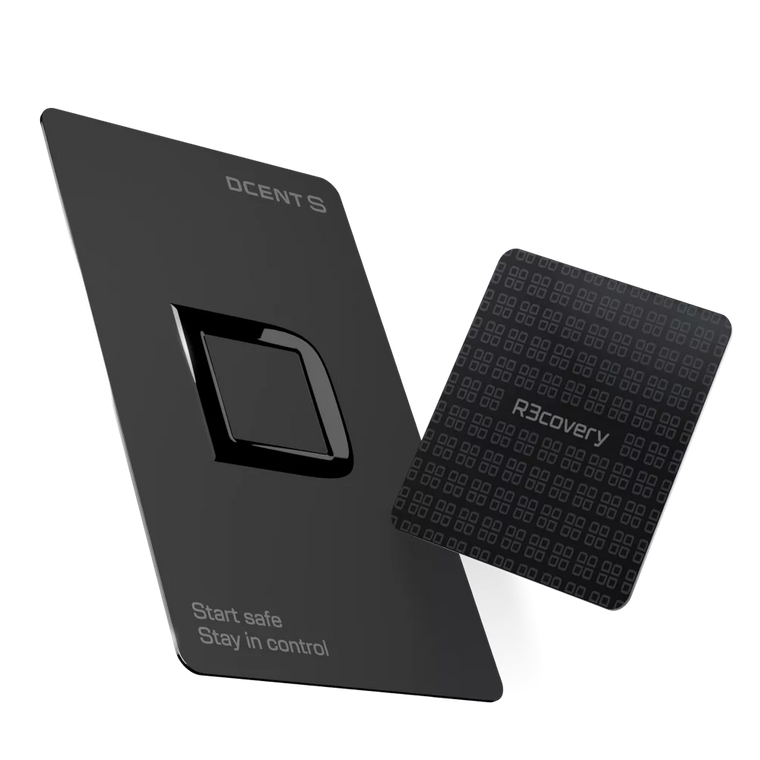
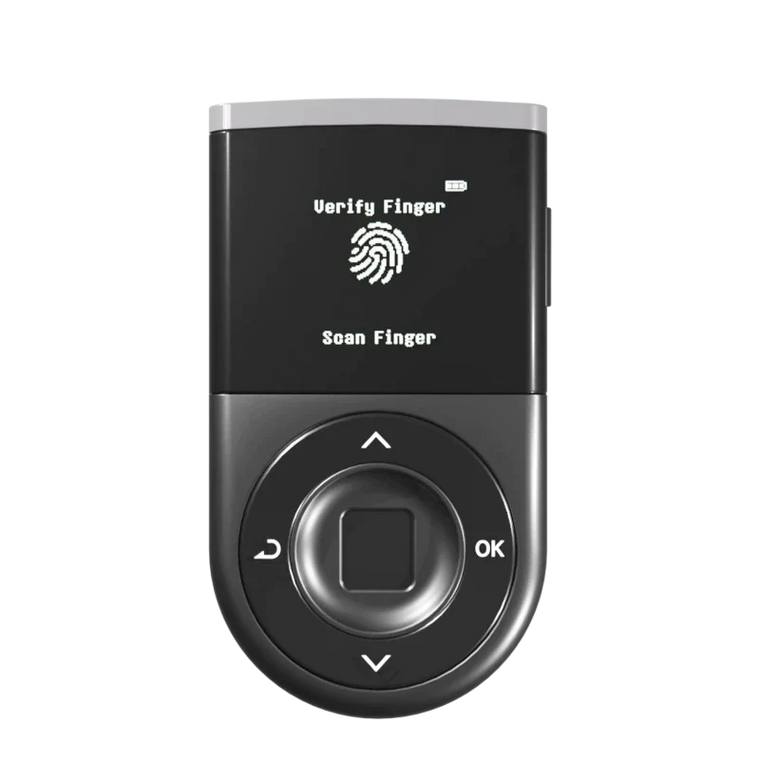
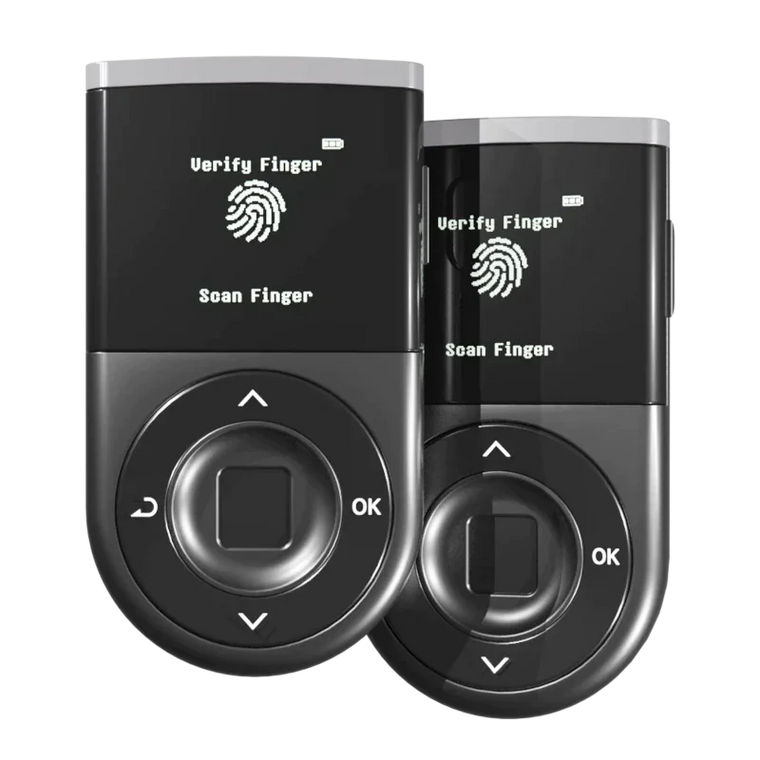
- Cold wallet — A wallet that's not directly connected to the internet, where you hold your own crypto. D'CENT, Ledger, and Tangem are common examples (hardware devices).
- Exchange wallet — XRP held on Binance, Coinbase, Kraken, and similar platforms. Technically not "your" wallet — it's the exchange holding it on your behalf.
- Staking — Locking up your coins with a network to earn rewards (Ethereum is the best-known example). XRP has never had this feature natively.
→ These few are enough. Anything else, we'll explain inline as it comes up.
So Why Was XRP Left Behind?
If you've held XRP (Ripple) for a while, you've probably wondered:
"Ethereum has staking rewards, other coins are doing things — why does XRP just sit there?"
The reason is actually simple.
XRP was never designed to generate yield or rewards on its own.
Ethereum has "staking" as a built-in reward system. XRP never had anything like that from the start. So for XRP holders, it was mostly "hold" and "transfer" — that was about it.
According to CoinDesk, about 2 billion XRP still sit idle in wallets today.
Not because users are lazy — but because there was nothing else to do with it.
A quick side-by-side
| Asset | What it could do |
|---|---|
| Cash | Bank interest, fund management |
| Ethereum (ETH) | Staking rewards, broad DeFi activity |
| XRP (until recently) | Storage and transfers only |
| XRP + XRPFi (now) | Deposit-style rewards now possible |
So, What Can You Actually Do with XRP Now?

At the core, it's really one thing —
"Deposit your XRP, and it gets managed according
to a predefined strategy to generate rewards."
Just like depositing cash in a bank earns interest, or putting money in a fund generates returns — depositing XRP in an XRPFi product generates rewards.
The difference is who, or what, is doing the managing.
- Bank — managed by the bank itself
- Fund — managed by a fund manager
- XRPFi — some products are run by automated systems (smart contracts), while others are designed and managed by professional asset managers.
Either way, the common thread — you don't need to actively trade. Deposit it and it runs the way it's supposed to.
⚠️ One important caveat — unlike a bank deposit, your principal is not guaranteed. Risk levels vary by product, so start with a small amount you're comfortable with, and scale up gradually as you get familiar. All investment outcomes are ultimately your responsibility.
Some of the most-discussed XRPFi services right now include Flare's Monarq vault, Doppler, and Soil. Each has different strategies and risk profiles — how they work and how to actually deposit will be covered in upcoming parts of this series.
There are other paths too (using XRP as collateral, trading, etc.), but for Part 1, the core idea — "deposit and earn rewards" — is enough.
Why Now?
A short timeline of how XRPFi became possible:
- 2024–2025 — Infrastructure for putting XRP to work went live, piece by piece.
- February 2026 — Actively used XRP surpassed 100 million tokens (CoinDesk).
- May 2026 — Cold wallet users got direct access to XRPFi without complicated setup, via the XRP Alliance launch (related news).
2024–2025 was the "build phase,"
and 2026 is the "live use phase."
Starting now isn't late. If anything, entering after the infrastructure has matured is generally safer.
So What Do I Need to Do? (The Key Takeaway)

This is the most important part of Part 1. In one sentence —
XRP sitting on an exchange cannot participate in XRPFi.
Exchanges like Binance, Coinbase, or Kraken are "where you deposited your XRP" — they're not "your wallet." XRPFi requires signing transactions directly from your own wallet, which exchanges don't support. While your XRP sits there, you can't do anything with it on the XRPFi side.
So the first step is simple —
✅ Move your XRP from the exchange to your own cold wallet (personal wallet).
Which cold wallet should you choose?
If you just want to "hold" XRP, several wallets work fine — other hardware wallets like Ledger or Tangem, or mobile wallets like Xaman.
But here's something important to know —
At the moment, D'CENT is the only hardware wallet that supports direct XRPFi participation.
Other hardware wallets like Ledger or Tangem can hold XRP just fine, but actually participating in XRPFi from them is essentially impossible right now.
For reference, D'CENT is commonly recommended for XRPFi for these reasons:
- Official XRP Alliance partner — XRPFi flows are designed to work directly in the D'CENT app, with no need to add new chains or create separate wallets.
- Blockaid real-time threat detection — Scans transactions for risk before you sign them. Works 24/7 across 50+ blockchains.
- Trusted Clear Signing (full on-device verification) — You verify the full transaction on the device screen itself. Even if your PC or phone screen is tampered with, the device's own screen cannot be faked.
- Fingerprint (biometric) authentication — In addition to standard PIN entry, you can unlock the device with your fingerprint. Fast, convenient, and adds an extra layer of identity verification.
In short — for storage alone, other wallets are fine. But if you want to actually use XRPFi, D'CENT is currently the only practical option — worth knowing upfront.
Up Next

Part 1 covered what XRPFi is, why now matters, and what the first step looks like.
From the next part on, it gets practical.
- Part 2 — How to move XRP from your exchange to a cold wallet.
Slow, safe, one step at a time.
Frequently Asked Questions
Q. Can my XRP disappear if I join XRPFi?
A. All investment activity carries risk, and the outcome is ultimately your responsibility. Start with a small amount you're comfortable with, get used to the flow, then scale up gradually. Keeping your assets in a cold wallet and verifying every signature on the device significantly reduces the risk of loss from hacking or phishing.
Q. What's the minimum to start with?
A. It depends on the product, but you can generally start with a small amount. We recommend beginning with "money you wouldn't miss day-to-day" to get familiar with the flow, then scaling up as you get comfortable.
Q. When and how do I receive rewards?
A. It varies by product. Some accumulate and pay out together, others settle on a regular cycle. Rewards are typically denominated in XRP, but specific policies differ — be sure to check before depositing.
Q. Can I withdraw freely at any time?
A. This also depends on the product. Some allow withdrawals anytime, others have lock-up periods. Always check withdrawal conditions before depositing.
Q. Exchange vs personal wallet — which is safer?
A. For storage alone, an exchange is convenient. But if the exchange suffers a problem (bankruptcy, hacking, suspension), your assets are affected too. A cold wallet isolates you from that risk and lets you participate in XRPFi. The trade-off — you're now responsible for managing it yourself.
Q. Can I use other wallets (Ledger, Tangem, Xaman, etc.)?
A. For XRP storage, several wallets work fine. But one thing to know — at the moment, D'CENT is the only hardware wallet that supports direct XRPFi participation. Other hardware wallets like Ledger or Tangem can hold XRP, but actually using XRPFi from them isn't practical right now.
Q. Is it too late to start in 2026?
A. Actually the opposite. 2024–2025 was the build phase, and 2026 is when active use begins. Entering after the infrastructure has matured is typically the safer move.
D'CENT Biometric Wallet
The safe first step into XRPFi.
Official XRP Alliance Partner · Trusted Clear Signing · Blockaid Real-time Threat Detection across 50+ chains · Biometric Authentication · Zero Security Breaches Since 2018
Buy D'CENT Wallet →