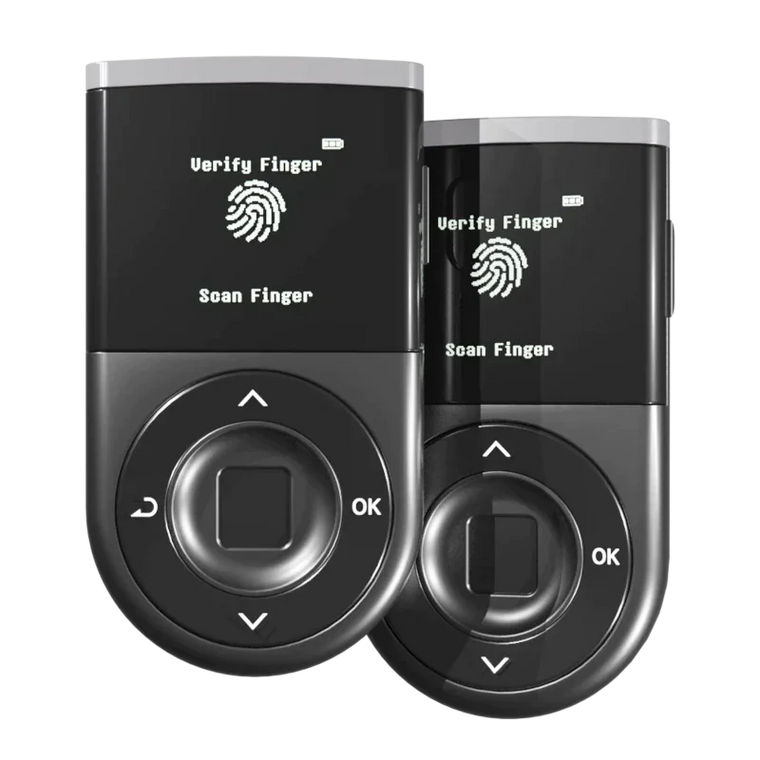







Key Answer: Hardware wallets store cryptocurrency private keys offline, significantly reducing the risk of private key theft from malware and hacking, while also lowering the chances of phishing and fake app incidents. However, users can still suffer losses if they sign malicious transactions, requiring special caution against signature-based phishing attacks (Approvals). You must protect your digital assets from the surge in crypto scams in 2026 by utilizing real-time scam detection features based on Blockaid (like D'CENT), purchasing from official sources, verifying security chips, and physically storing recovery phrases (seed phrases).
Executive Summary
- Offline Security: Cold wallets dramatically reduce hacking risks by disconnecting from internet
- Authentic Purchase: Buy only from official retailers, never from second-hand or individual sellers
- Real-time Protection: Advanced hardware wallets like D'CENT offer Blockaid-based scam detection and biometric authentication
- Seed Storage: Write down 12–24 recovery phrases on paper and store them distributed across bank safety deposit boxes
- Regular Maintenance: Maintain security through regular firmware updates and DApp permission reviews
Why: What Lessons Did 2025 Cryptocurrency Hacks Teach Us?
The 2025 security incident involving the Wallet crypto wallet company's Chrome extension (supply chain attack) resulted in fund theft from some users, with reported damages ranging from approximately $7–8.5 million. The critical weakness of software wallets is their constant internet connection, which exposes them to various attack vectors.
Private keys can be compromised through API attacks, browser malware, phishing sites, and other threats.

CertiK — Hack3d: The Web3 Security Report 2025
What: Criteria for Choosing Secure Hardware Wallets?

Security Chips and Verification Systems
Choose products equipped with CC EAL5+ grade Secure Element chips. Evaluate based on supply chain security, firmware update policies, signature verification systems, and recovery mechanisms.
Pre-signature Protection (Real-time Scam Detection)
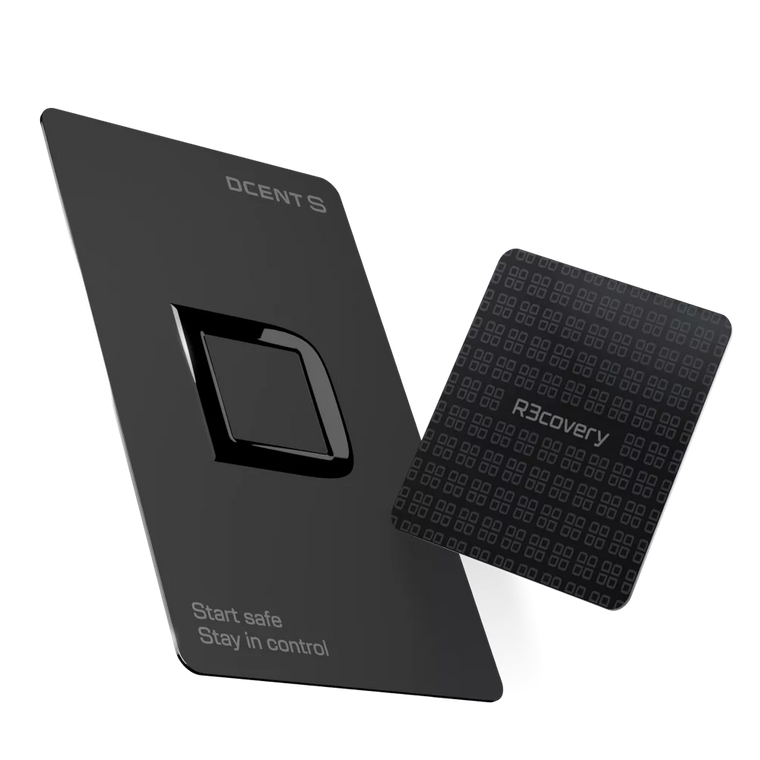
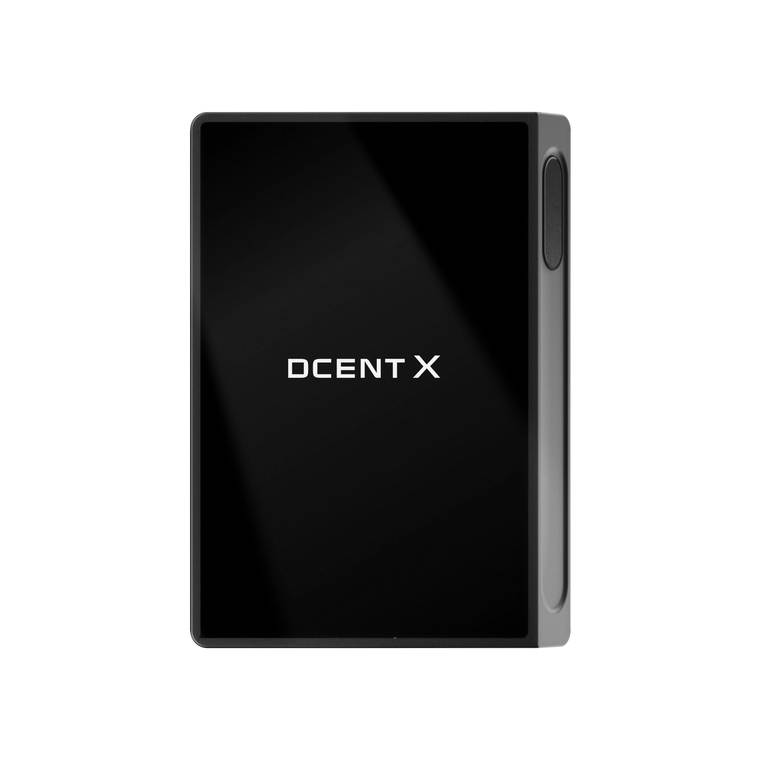
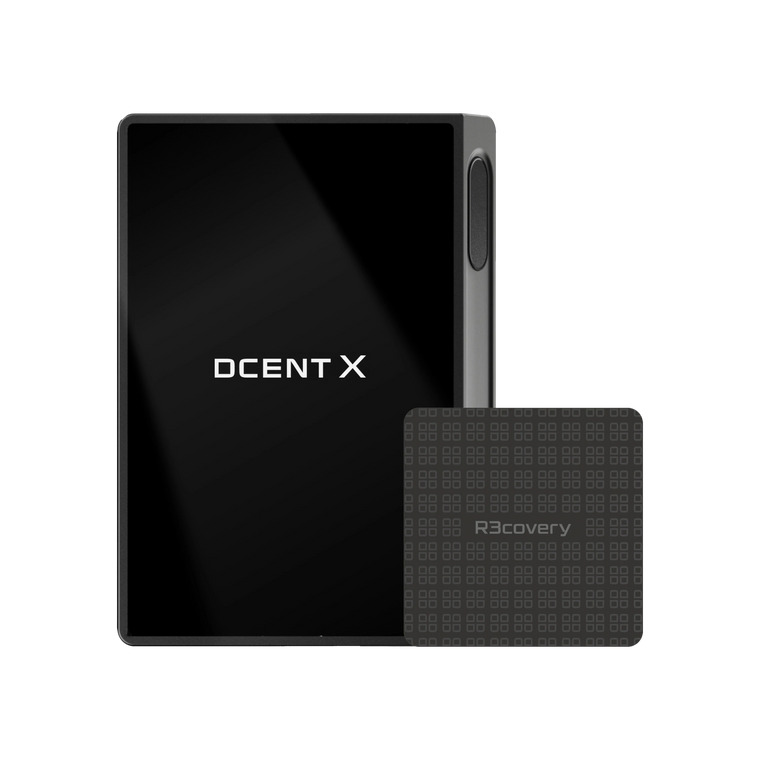
D'CENT Wallet features built-in Blockaid-based real-time scam detection that analyzes risk signals just before users "sign" transactions, providing warnings or safety indicators. While this serves as an important protective barrier against malicious transactions or phishing site signatures, it doesn't block 100% of attacks, so careful review remains essential.
User Experience and Compatibility
Complete English interface and customer support systems are advantageous.
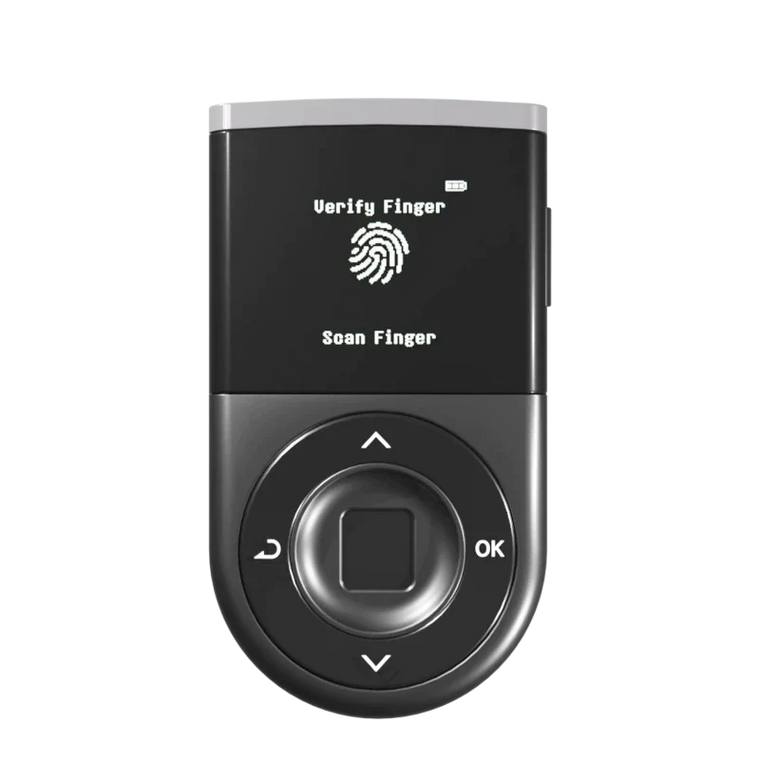
Verify supported chains and assets, wallet app integration, and mobile connectivity compatibility. Integration with major exchanges like Coinbase Advanced Trade and Kraken may differ between withdrawal/deposit support and direct wallet app connection features, so confirm specific support scope. D'CENT is a hardware wallet developed by IoTrust that provides biometric authentication convenience features.
How: Authentic Product Identification and Safe Initial Setup Methods?

** Illustration for explanatory purposes only; actual product may differ.
Step 1: Verifying Authentic Hardware Wallets
- Purchase only from official Website or retailers (for D'CENT, use store.dcentwallet.com, Amazon)
- Check for packaging seal tampering
- Never use pre-generated seeds if provided
Step 2: Cold Wallet Initial Setup
Set up on a mobile without using public Wi-Fi. Write down 12–24 recovery phrases (varies by wallet and settings) directly on paper, with digital storage strictly prohibited.
Mistakes: Critical Errors to Avoid

Fake Website Phishing Attacks
Beware of typo domains like "dcentwalet.com"(missing the "l" in "dcentwallet.com")or emails requesting urgent updates.
Confirm transactions only on the actual hardware wallet screen, and avoid any websites requesting recovery phrase input. Always stop and re-evaluate when real-time scam detection warnings appear.
Incorrect Storage Methods
Taking photos of recovery phrases or storing them in the cloud increases hacking risks. Always write them on paper and store distributed across bank safety deposit boxes or fireproof safes. Design comprehensive plans including safe deposit box access hours and emergency plans (inheritance and family sharing).
Practical Security Checklist
Minimal, Actionable, and Sustainable

Monthly (10 minutes)
-
Review recent transactions and withdrawals
Check only for transactions you don't recognize. -
Use a third-party tool to remove unnecessary approvals.
(e.g., Revoke.cash)
Cancel unnecessary or unlimited approvals. -
Disconnect all connected sites and apps
Remove unused wallet connections. -
Visually inspect recovery phrase storage
Check for moisture, damage, or exposure.
Every 3 Months
-
Review PIN / lock settings for high-value wallets only
Change only if there is suspicion or weakness. - Confirm wallet functionality after OS or browser updates
Every 6–12 Months
-
Review emergency recovery plan
Verify contact details and storage locations. -
Verify recovery phrase readability (no recovery input)
Confirm it exists and is legible — do not enter it into any device.
FAQ
Q1: What's the difference between D'CENT wallet and other hardware wallets?
A: D'CENT is developed by IoTrust and supports CC EAL5+ security chips with biometric authentication. While fingerprint recognition provides convenience, it switches to PIN upon fingerprint authentication failure, with the final recovery method being D'CENT's 24 recovery phrases.
Q2: How to recover when hardware wallet is lost?
A: Complete recovery is possible on a new wallet using the pre-recorded 12–24 recovery phrases. Device loss isn't problematic as long as recovery phrases are secure.
Q3: Is it safe to buy a used hardware wallet?
A: Absolutely not safe. There's risk that previous users know the seed or malware has been installed.
Q4: How to transfer from software wallet to hardware wallet?
A: After setting up the new hardware wallet, send cryptocurrency from the existing wallet to the new address. Assets can only be moved via a transaction, not by copying recovery words.
Q5: How often should hardware wallet firmware be updated?
A: Check regularly (e.g., monthly) and apply security updates immediately when announced. Update only through D'CENT official. (Link)
Q6: Is wallet access impossible when biometric authentication fails?
A: Access is possible via PIN code, and repeated authentication failures may initialize the device. Final recovery is only possible through 24 recovery phrases.
Q7: What does real-time scam detection like Blockaid prevent?
A: It detects and warns about phishing sites, malicious token transfers, and suspicious smart contracts just before transaction signing. However, it's not 100% perfect, so careful user judgment remains crucial.